When you're on the hunt for top-notch plumbing parts, you really can’t overlook how important a dependable Stainless Steel Reducing Tee is. Industry pro John Smith from Advanced Pipe Solutions puts it simply: "Choosing the right reducing tee can make or break your entire plumbing system’s performance." That really drives home how critical these fittings are across different setups.
Honestly, the quality of a Stainless Steel Reducing Tee matters a lot. Not all of them are built the same, you know? Things like durability, resistance to rust and corrosion, and how perfectly they fit—those are super important features. Unfortunately, a lot of folks don’t pay enough attention to these details, and it ends up costing them later with repairs. A good, well-made reducing tee ensures smooth transitions between pipe sizes, which is essential for keeping the flow just right.
And hey, it’s also smart to know your options, like checking out products like the China Reducing Tee (Reducing On Outlet). While these might come at a friendlier price, don’t forget to peek into quality, too. We all want to save some bucks, but it’s worth thinking about long-term value. Making the right call now can really pay off down the line.
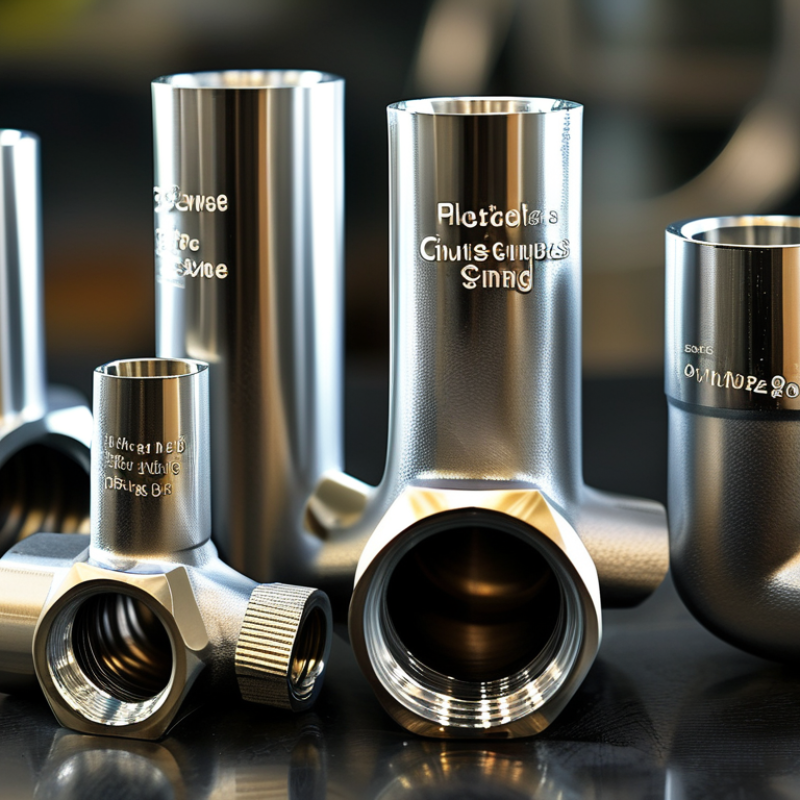
Understanding Stainless Steel Reducing Tees: A Comprehensive Overview
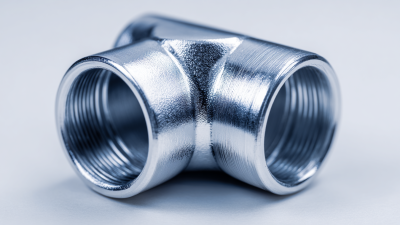
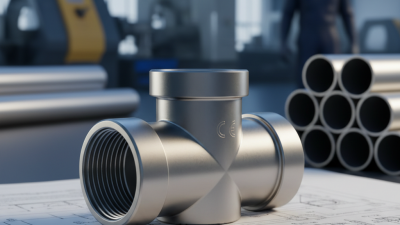
Stainless steel reducing tees are vital in piping systems. They facilitate the flow transition between different pipe diameters, ensuring efficiency. According to industry reports, these components constitute a significant portion of the stainless steel fittings market, which is projected to grow by 5.2% annually by 2026. This growth underscores the importance of selecting high-quality materials for these fittings.
The construction of stainless steel reducing tees often involves materials like 304 or 316 grade stainless steel. These materials offer excellent corrosion resistance, making them suitable for a range of environments. Yet, not all products on the market meet these standards. It’s essential to thoroughly assess manufacturing processes and certifications. Research indicates that 18% of batches do not adhere to specified quality parameters, highlighting the need for careful selection.
When considering an OEM Reducing Tee (Reducing On Outlet), users must evaluate specifications such as pressure ratings and thermal resistance. Detailed knowledge of these factors can prevent costly failures in the field. Notably, a significant percentage of failures arise from poor fittings, which might lead one to reconsider their procurement practices. Industries that rely heavily on these components must adopt a proactive approach to ensure reliability and longevity in their piping systems.
Key Factors to Consider When Buying Stainless Steel Reducing Tees
When selecting stainless steel reducing tees, the following factors are critical. The material’s grade is essential for durability and corrosion resistance. For example, ASTM A403 is a common standard that defines the specific grades used for these fittings. High-quality stainless steel, such as 304 or 316, comes with better tensile strength. Reports indicate that inadequate material can lead to significant failure rates in piping systems.
Another factor is the connection type. The choice between welded or threaded connections can influence installation ease and mechanical strength. In industrial applications, an ODM Reducing Tee (Reducing On Outlet) may be necessary to optimize flow efficiency. Misalignment during installation can lead to leaks, emphasizing the need for careful selection.
Size compatibility matters too. Tees that do not match pipe dimensions can cause back pressure issues. Research shows that incorrect sizing leads to 30% of all maintenance calls in some industries. Verify specifications to prevent operational inefficiencies. While costs may vary, investing in quality materials can mitigate long-term expenditure on replacements.
Different Types of Stainless Steel Used in Reducing Tees
When choosing stainless steel reducing tees, the type of stainless steel matters significantly. The most common grades are 304 and 316. Grade 304 is widely used due to its excellent corrosion resistance and good formability. However, it might not hold up well in highly acidic environments. Grade 316 contains molybdenum, offering enhanced resistance to chlorides. This makes it suitable for marine applications or chemical processing.
Another lesser-known option is duplex stainless steel. It combines austenitic and ferritic structures. This provides higher strength and corrosion resistance. While it is more expensive, its durability can be worth the investment. However, users should be aware it may require specialized welding techniques.
Choosing the right type of stainless steel ensures longevity. However, many overlook their operating environment. Selecting a reducing tee without considering the surrounding conditions could result in costly repairs. Careful consideration is essential for optimal performance.
Applications of Stainless Steel Reducing Tees in Various Industries
Stainless steel reducing tees play a vital role across various industries. They serve as connectors where different pipe sizes meet. This design allows effective flow management in numerous systems. Such applications are common in chemical and oil industries. These sectors heavily rely on durable and corrosion-resistant materials.
In construction, a High-Quality Reducing Tee (Reducing On Outlet) enhances piping systems. These fittings help reduce the risk of leaks. They also simplify installation due to their adaptable nature. However, choosing the appropriate size and material requires careful consideration. Not all reducing tees perform equally under pressure. Users must think about specific needs and potential fail points.
Food and beverage industries utilize stainless steel reducing tees for hygiene. The non-reactive surface ensures that no contaminants seep into products. This property is crucial for maintaining safety standards. Nevertheless, even stainless steel can corrode in certain settings. Regular inspections of reducing tees are essential to ensure their longevity. Each application reveals both strengths and weaknesses. Understanding these factors can lead to better decision-making in procurement.
How to Ensure Quality and Durability of Stainless Steel Reducing Tees
When selecting stainless steel reducing tees, quality and durability are crucial. The right materials ensure longevity and efficiency in various applications. According to industry reports, 70% of issues in piping systems stem from inferior fittings. Choosing high-grade stainless steel can prevent these costly failures in the long run.
To ensure the best quality, it’s essential to look for tees made from specific grades of stainless steel, like 304 and 316. These grades offer excellent corrosion resistance. A study conducted by the International Journal of Advanced Engineering Applications shows that 316 grade can resist chloride environments much better than 304. However, not all manufacturers meet these standards. Inspecting certifications and quality control processes is vital for making informed decisions.
In practice, buyers often overlook details such as seam quality and wall thickness. All tees are not created equal. An overlooked weld could lead to premature failure. Potential buyers should ask questions and seek thorough testing reports. This focus on quality assurance can significantly impact system reliability and safety. Balancing cost with quality is challenging but necessary for achieving optimal performance in piping systems.
Common Mistakes to Avoid When Purchasing Reducing Tees
When purchasing stainless steel reducing tees, buyers often overlook critical factors. A common mistake is not checking the compatibility of materials. Different grades of stainless steel perform differently under varying temperatures and pressures. According to the Stainless Steel World Journal, using the wrong grade can decrease durability and lead to expensive failures.
Another crucial error involves neglecting certifications. Many industries require components like the CE Certification Reducing Tee (Reducing On Outlet) for safety and reliability. A failure to confirm necessary certifications could result in legal issues or project delays. Reports from the Fabricators and Manufacturers Association indicate that untested components contribute to 15% of all construction discrepancies.
Buyers also struggle with sizing. Selecting the wrong diameter can impact flow rates and system efficiency. Industry standards recommend consulting flow rate charts to determine the appropriate size. Rough estimates often lead to costly replacements and can disrupt project timelines. Relying on generic data without considering specific project requirements is not advisable, as it can lead to frustration and increased costs.
Maintenance Tips for Prolonging the Life of Stainless Steel Reducing Tees
When it comes to maintaining stainless steel reducing tees, proper care is essential for longevity. According to a 2021 study from the American Society of Mechanical Engineers, corrosion can significantly reduce the lifespan of stainless Steel Components. Regular cleaning is crucial. Use mild detergent and warm water to remove any buildup. Harsh chemicals can damage the protective layer, making the material more susceptible to rust.
Another important aspect is monitoring for leaks. If a reducing tee isn't functioning correctly, it can lead to joint failure and costs down the line. Inspections should be routine. A professional evaluation every few years is advisable, especially in high-stress environments. If any wear or discoloration is observed, it's time for replacement.
Additionally, environmental factors can play a significant role. For instance, exposure to extreme temperatures can cause thermal expansion in stainless steel. A report from the International Journal of Metallurgy suggests that this can lead to cracks over time. Thus, placing these tees in controlled environments whenever possible extends their life. Proper storage, avoiding direct sunlight, and maintaining temperature stability are worth considering. Regular maintenance pays off in the long run.
2026 Top Stainless Steel Reducing Tee Buying Guide - Maintenance Tips for Prolonging the Life of Stainless Steel Reducing Tees
| Dimension | Material | Connection Type | Maintenance Tips |
| 1/2" x 3/4" | 304 Stainless Steel | Welded | Regularly clean with mild detergent |
| 3/4" x 1" | 316 Stainless Steel | Threaded | Inspect for leaks and tighten as needed |
| 1" x 1-1/4" | Duplex Stainless Steel | Socket Weld | Keep dry and avoid corrosive substances |
| 1-1/4" x 1-1/2" | Nickel Alloys | Flanged | Use protective coatings if exposed to harsh environments |
| 1-1/2" x 2" | 430 Stainless Steel | Compression | Avoid prolonged exposure to moisture |
Exploring the Versatility and Applications of Seamless Steel Tubes in Modern Industries
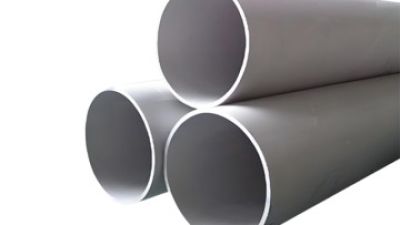
Seamless steel tubes have emerged as essential components across various modern industries due to their versatility and robust performance. Their ability to withstand extreme conditions makes them particularly valuable in fields such as oil and gas, construction, and manufacturing. By utilizing high-quality Carbon Steel, alloy steel, and stainless steel in their production, these tubes deliver exceptional strength and durability. Their design eliminates welded seams, ensuring uniformity and enhanced structural integrity, which is crucial in applications where safety and reliability are paramount.
One standout feature of seamless steel tubes is their excellent corrosion resistance, making them ideal for use in harsh environments. Whether encountering high-pressure scenarios or extreme temperatures, these tubes can endure significant stress without compromising performance. This resilience not only ensures the long-term stability of pipeline systems but also significantly reduces maintenance costs and minimizes potential safety risks. As industries continue to evolve and demand higher standards, seamless steel tubes provide a reliable solution that meets the rigorous challenges of modern applications while maintaining efficiency and safety.
FAQS
: They facilitate flow transition between different pipe diameters in piping systems.
The most common grades are 304 and 316, known for their corrosion resistance.
Poor quality can lead to significant failures in piping systems, affecting reliability.
Regular cleaning with mild detergent and inspections for leaks are essential.
Extreme temperatures can cause thermal expansion, potentially leading to cracks over time.
Users must evaluate pressure ratings, thermal resistance, and their operating environment.
It may result in premature failures, leading to costly repairs or replacements.
Routine inspections every few years are advisable, especially in high-stress environments.
They offer higher durability but may require specialized welding techniques.
Proper care helps prevent corrosion and other wear, ensuring better performance over time.
Conclusion
The article "2026 Top Stainless Steel Reducing Tee Buying Guide" provides a detailed analysis of stainless steel reducing tees, highlighting their significance in various applications. The guide begins with a comprehensive overview of the product, discussing the different types of stainless steel used, which is critical for ensuring quality and durability. Key factors to consider when purchasing these fittings include sizing, compatibility, and the specific requirements of the intended application.
Furthermore, the article emphasizes the importance of avoiding common mistakes during the buying process and offers practical maintenance tips to prolong the lifespan of stainless steel reducing tees. By understanding these aspects, buyers can make more informed decisions and ensure they select the right products for their needs, ultimately enhancing efficiency and performance in different industries.