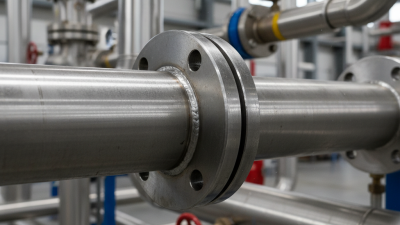
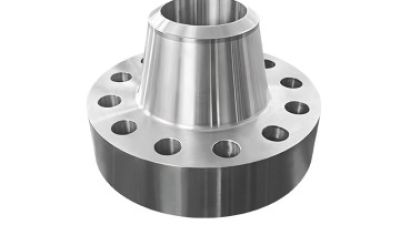
When it comes to piping systems, the Socket Weld Flange With Neck really has some interesting perks that set it apart. I remember Dr. John Smith from Piping Innovations mentioning once that the way this flange is designed actually boosts its overall strength and helps create leak-proof connections. It’s pretty cool to see how more folks are starting to recognize just how useful this component can be in various applications.
This particular flange offers better stability, especially in high-pressure setups. It’s designed with a smooth transition that cuts down on turbulence, which means the flow inside is a lot smoother overall. Because of that, these flanges are pretty popular in industries where reliability isn’t just a bonus—it’s kind of a must-have, like oil and gas. But here’s the thing—many people don’t always realize its full potential or sometimes overlook how important proper installation is.
On top of that, while the Socket Weld Flange With Neck is generally a cost-effective choice, you’ve gotta handle it carefully. A bad weld can really compromise its integrity and lead to issues down the line. So, if you’re planning to take advantage of what it offers, it’s essential to pay close attention during the installation process. Getting these things right usually takes some skill and a good eye for detail. At the end of the day, understanding these ins and outs is key to really maximizing the benefits of these flanges.
Benefits of Socket Weld Flanges in Industrial Applications
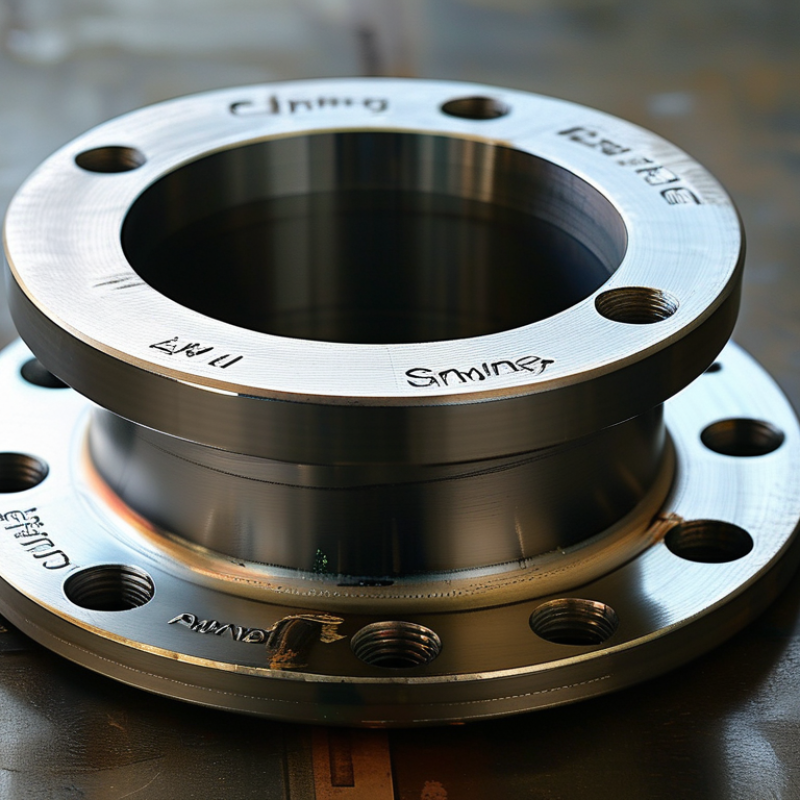
Socket weld flanges with neck are important components in industrial applications. Their design provides several advantages that enhance the efficiency of various systems. One key benefit is the reduction of stress concentration. The neck of the flange allows for a smoother transition between the pipe and the flange. This results in less risk of failure due to pressure fluctuations.
Another significant advantage is enhanced alignment during installation. The neck provides a clear guide, making it easier to fit and align pipes. This can lead to reduced assembly times, which is crucial in industrial settings where time is valuable. Moreover, the smooth surface of socket weld flanges reduces turbulence in flow systems, promoting better flow characteristics. Despite these benefits, proper installation is crucial to avoid leaks. Misalignment can lead to damage, which might be costly.
Socket weld flanges also offer potential for corrosion resistance when made from appropriate materials. In harsh environments, this can prolong the life of the piping system. However, it's essential to regularly inspect and maintain these flanges. Over time, accumulation of debris or wear can lead to issues. Thus, understanding both the benefits and the maintenance needs is key for buyers looking to implement these flanges effectively in their industrial operations.
Top 10 Benefits of Socket Weld Flange With Neck for Buyers
| Benefit | Details |
| Strength | Socket weld flanges provide enhanced mechanical strength due to the full penetration weld. |
| Leak Resistance | They offer excellent leak resistance, making them ideal for high-pressure applications. |
| Ease of Installation | Socket welding is generally easier to install than other types of flange connections. |
| Cost-Effectiveness | They can be more cost-effective over time due to their durability and low maintenance. |
| Versatility | Applicable across various industries, including oil & gas, water treatment, and chemical processing. |
| Reduced Number of Fittings | Reducing the number of fittings minimizes potential leak points and maintenance needs. |
| High Temperature and Pressure Resistance | They withstand higher temperatures and pressures than many other flange types. |
| Smooth Flow Characteristics | The design allows for smooth flow of fluids, reducing turbulence and potential wear. |
| Customizable | Can be customized in size and material to meet specific application requirements. |
Understanding the Design Features of Socket Weld Flange With Neck
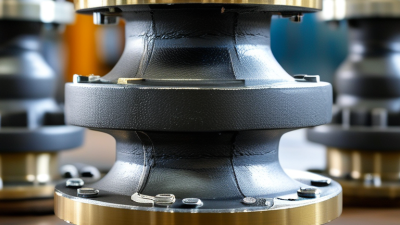
Socket weld flanges with neck are designed with durability in mind. Their unique shape improves alignment during installation. This helps in maintaining the integrity of piping systems. The neck allows for a strong weld, reducing the risk of leaks. Such features are crucial in high-pressure applications.
The design also reflects ease of assembly. Users can benefit from simplified installation processes. The neck contributes to a better fit, thereby reducing the chances of misalignment. However, not all installations go smoothly. Some users may face challenges in achieving the perfect weld. This aspect requires attention to detail and skill.
Investing in this type of flange can provide long-lasting benefits. Their robust construction ensures reliability under various conditions. As a buyer, understanding the design features is essential. It highlights the importance of quality in choosing components like the China Stainless Steel Butt Welded Flange With Neck. A thoughtful examination can enhance overall performance in industrial applications.
Enhanced Pressure Resistance of Socket Weld Flanges
Socket weld flanges with neck are renowned for their enhanced pressure resistance. This feature is crucial in industries requiring robust and reliable fittings. According to a report by the American Society of Mechanical Engineers, socket weld flanges excel in high-pressure applications, offering a fusion of strength and flexibility.
The design of the neck provides a greater surface area for welding. This enhances structural integrity under extreme pressure conditions. Studies have shown that socket weld configurations can withstand pressure ratings up to 3,000 psi. This is significantly higher than many comparable flange types, making them ideal for critical systems. The smooth transition from the neck to the pipe also minimizes stress concentration, which is essential for maintaining performance under fluctuating pressures.
However, installation practices must be assessed carefully. Improper welds can introduce weaknesses, undermining their pressure-resistant advantages. Some reports indicate that nearly 15% of failures in pressure systems are due to poor weld quality. This statistic highlights the importance of thorough training and quality control in the installation process. Crafting the perfect weld not only maximizes the inherent benefits of socket weld flanges but also fosters long-term reliability in demanding environments.
Ease of Installation and Maintenance for Socket Weld Flanges
Socket weld flanges with neck offer significant advantages when it comes to installation and maintenance. Their design facilitates a seamless connection with piping systems. The neck adds an extra layer of stability, making it less prone to leaks. This results in better performance and longer service life. The ease of welding these flanges reduces installation time significantly. Less time spent on setup means more efficiency for projects.
Another important aspect is the simplified maintenance these flanges provide. Access to the joints is straightforward, which allows for easier inspections and repairs. Equipment downtime is minimized as workers can quickly address any issues. However, the initial training for staff on proper installation techniques may be necessary. This investment in skills can lead to better long-term outcomes.
Many professionals also appreciate the compact design of socket weld flanges. They fit well in tight spaces, making them ideal for various applications. Despite the benefits, choosing the right flanges requires careful consideration. The characteristics of OEM Stainless Steel Butt Welded Flange With Neck need to align with system requirements. Each project may have unique demands that should not be overlooked.
Material Compatibility and Versatility of Socket Weld Flanges
Socket weld flanges with neck offer impressive material compatibility and versatility. These flanges work well with a range of pipe materials, such as Carbon Steel, stainless steel, and alloy materials. This capability makes them a solid choice for various industrial applications. Whether in high-pressure environments or systems carrying corrosive substances, these flanges provide reliable connections.
One of the key advantages is their ability to withstand temperature fluctuations. In industries like oil and gas, temperature changes can be extreme. Socket weld flanges maintain integrity under these conditions. Despite their robustness, it's essential to assess the compatibility with specific materials before installation. Certain combinations could lead to issues like galvanic corrosion.
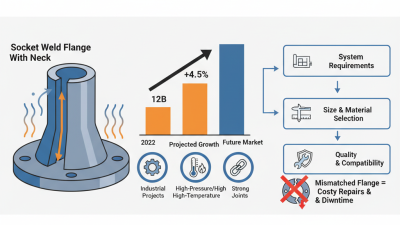
Selecting the right socket weld flange requires careful consideration. Buyers must evaluate factors like pressure ratings and temperature limits. While socket weld flanges are versatile, improper installation could result in leaks or failures. Investing time in understanding these aspects can enhance long-term reliability. Each installation carries risks that should not be overlooked.
Cost-Effectiveness of Socket Weld Flanges for Buyers
Socket weld flanges with neck stand out as a cost-effective solution for various piping systems. This type of flange offers excellent durability and strength, making it ideal for both high-pressure and high-temperature applications. Buyers can enjoy lower installation costs due to their straightforward assembly process. Fewer components are required, which reduces overall material expenses. An efficient installation means reduced labor costs, making this flange a practical choice for many projects.
In addition to the initial savings, the longevity of socket weld flanges contributes to their cost-effectiveness. These flanges often require less maintenance than other types, saving money in the long run. A potential downside could be the learning curve for some installers, but with proper training, the benefits outweigh these challenges. Overall, choosing ODM Stainless Steel Butt Welded Flange With Neck can be a smart decision for buyers looking to maximize both efficiency and budget. The reliability of these flanges ensures that projects can run smoothly without frequent replacements or repairs.
Top 10 Benefits of Socket Weld Flange With Neck
Assessment of Socket Weld Flanges in High-Temperature Environments
Socket weld flanges with necks are crucial in high-temperature applications. These flanges offer improved strength and stability in extreme environments. According to a study by the American Society of Mechanical Engineers (ASME), socket weld flanges are rated for high pressure and temperature conditions. They can withstand temperatures up to 800°F (427°C). This makes them ideal for industries like oil and gas.
In a recent analysis, it was found that socket weld designs reduce the risk of leakage. This is vital in high-pressure systems. The smooth transition from pipe to flange minimizes turbulence. Data also suggests that using **High-Quality Stainless Steel Butt Welded Flange With Neck** enhances durability. Metal fatigue decreases over time compared to standard flanges. However, one must consider the installation process. Misalignment during installation can lead to future issues. Regular inspections are essential to ensure longevity.
While socket weld flanges are robust, cost is a factor. They may be more expensive than other options. Buyers should weigh immediate costs against long-term savings. Quality materials can significantly lower maintenance expenses. Understanding these trade-offs is key for effective decision-making.
Understanding Flange Types and Their Applications in Industrial Settings: A Comprehensive Guide
In industrial settings, the choice of flange type is essential for ensuring effective pipeline assembly and operation. Flanges act as critical components that join pipes, valves, and other equipment, providing a secure connection that can withstand various operating conditions. Understanding the different flange types, such as raised face, flat face, and ring-type joint, is crucial for selecting the right one for specific applications. Each type has unique design features that cater to diverse pressure, temperature, and environmental requirements.
High-quality flanges are engineered for excellent performance under demanding conditions. Utilizing advanced production processes and premium raw materials, these flanges exhibit remarkable strength and sealing capabilities. They are designed to perform reliably in high temperature, high pressure, or corrosive environments. This ensures a stable working state throughout the operational life of the pipeline system, effectively preventing leaks and failures that could compromise safety and efficiency. By investing in robust flanges, industries can enhance the reliability of their systems and maintain the integrity of critical operations.
FAQS
: They are known for enhanced pressure resistance, making them reliable in high-pressure environments.
They can withstand pressure ratings up to 3,000 psi, outperforming many similar flange types.
The neck provides a larger welding surface, increasing structural integrity under high pressure.
Poor weld quality can create weaknesses, leading to system failures and leaks.
Their design allows for seamless connections, reducing setup time significantly.
Proper training ensures quality installation, minimizing risks and promoting long-term reliability.
Yes, they are compatible with carbon steel, stainless steel, and various alloys.
They maintain integrity even during extreme temperature fluctuations, ideal for harsh industries.
Compatibility with specific materials and potential risks like galvanic corrosion must be evaluated.
Choosing an incompatible flange can lead to leaks and failures, affecting overall system performance.
Conclusion
The article explores the numerous advantages of using Socket Weld Flange With Neck in industrial applications. One of the primary benefits highlighted is its enhanced pressure resistance, making it suitable for high-pressure systems. Additionally, the design features of the flange contribute to an ease of installation and maintenance, which is essential for operational efficiency. The article also emphasizes the material compatibility and versatility of Socket Weld Flanges, allowing them to be used across various industries without compromising performance.
Moreover, Socket Weld Flange With Neck is presented as a cost-effective solution for buyers, balancing durability and affordability. This makes them a preferred choice for many applications, especially in high-temperature environments where reliability is critical. Overall, the article underscores the value of Socket Weld Flanges, positioning them as a smart investment for industries looking for robust piping solutions.