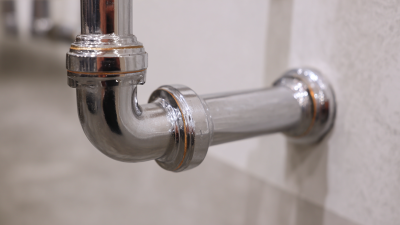
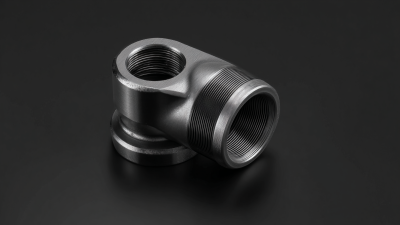
Picking the right components for your pipeline isn't something to take lightly. One that really catches the eye is the 45° Long Radius Elbow. Trust me, this fitting can make a big difference by keeping the flow smooth in all sorts of setups. It helps cut down on turbulence and pressure drops, so it's pretty dependable, especially for longer pipelines.
What’s cool about the 45° Long Radius Elbow is that it changes the direction gradually. That gentle bend means less stress on the system and can actually extend the lifespan of your pipelines—something a lot of folks overlook but really shouldn’t. Making smart choices about fittings like these can save you a lot of headaches down the line.
Of course, the usual stuff like price and availability can get in the way. Not all suppliers carry top-notch 45° Long Radius Elbows, so it’s worth doing your homework. Places like ABC Pipes have a good selection of trusted options. Bottom line? Take your time, evaluate what you really need, and don’t hesitate to shop around a bit.”
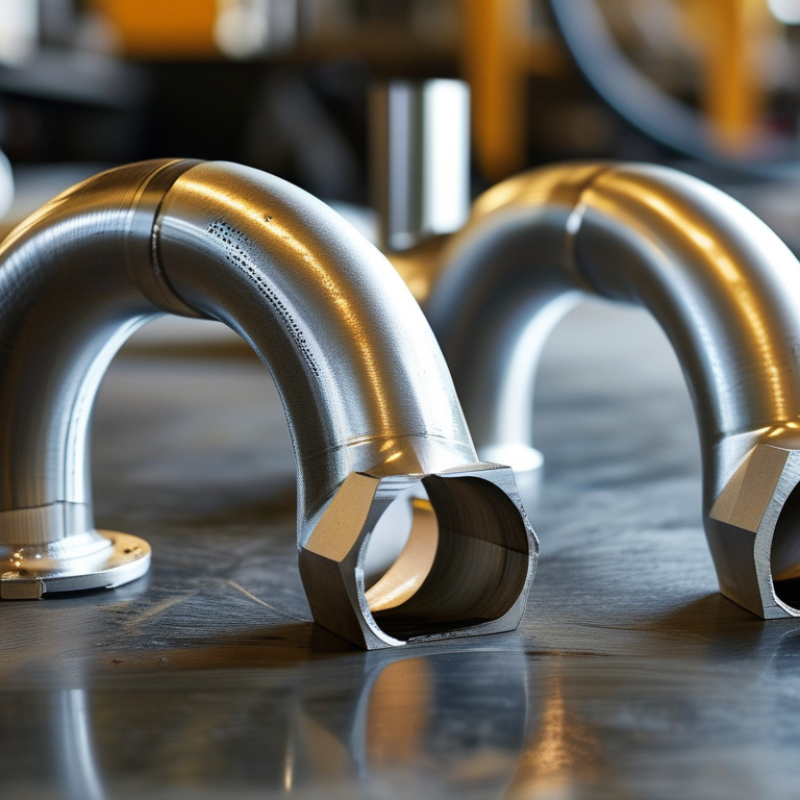
When designing pipeline systems, the choice of fittings can significantly impact efficiency and longevity. One popular option is the 45° Long Radius Elbow. This fitting offers smoother transitions compared to sharper elbows, such as the 90° Long-Radius Elbow. According to industry studies, using 45° elbows can reduce pressure loss by up to 50%. This reduction means lower energy costs and increased flow efficiency.
Additionally, the long radius design minimizes turbulence and wear on the pipeline materials. This advantage leads to longer service life for the equipment, meaning fewer replacements and repairs over time. However, the initial installation cost can be higher than traditional fittings. In environments where budget constraints are paramount, this is a valid concern.
Moreover, 45° Long Radius Elbows can be easily integrated into existing pipeline systems. This adaptability is crucial in retrofitting projects or system upgrades. Engineers must consider the specific operational conditions when selecting fittings. Ultimately, understanding the trade-offs can lead to more informed decisions.
When designing a pipeline, the choice of elbow fittings is crucial. The 45° Long-Radius Elbow is often favored due to its efficient flow characteristics. It minimizes turbulence, promoting smoother transitions in the pipeline. According to industry reports, using long-radius elbows can reduce energy costs significantly. Studies indicate that they prevent pressure drops that can lead to costly operational inefficiencies.
The design of a 45° Long-Radius Elbow features a wider curve compared to standard elbows. This allows fluids to navigate bends without abrupt changes in direction. The gradual slope decreases wear on the pipeline materials. An analysis from a reputable engineering firm highlighted that long-radius elbows last 30% longer than their short-radius counterparts under high-velocity conditions.
Despite these advantages, there are considerations to keep in mind. The installation of a 45° Long-Radius Elbow can be more complex. It may require more space and can increase upfront installation costs. Engineers must assess whether the benefits outweigh these challenges. Having the right design in place is essential for maximizing efficiency and minimizing long-term operational costs.
When considering pipeline needs, the choice between long radius elbows and Short Radius Elbows is crucial. Long radius elbows, such as theAlloy Long-Radius Elbow, are designed to reduce friction. They provide smoother transitions, minimizing pressure loss within the system. This design is ideal for applications that require efficient flow, especially in complex piping systems.
On the other hand, short radius elbows take up less space and are often used in tighter quarters. However, their sharp bends can cause turbulence. This turbulence may lead to increased wear over time. If your application involves high-velocity fluid flow, opting for long radius elbows might be more beneficial.
Tips: Always evaluate the specific requirements of your pipeline. Take into account factors like flow rate and space constraints. Consult with a pipeline expert to determine the best fit for your project. A well-informed choice can lead to better performance and longevity of your piping system.
When it comes to pipeline construction, material choices for 45° long radius elbows are crucial. These fittings are often subjected to various forces and pressures. Choosing the right material ensures durability and longevity. Common materials include Carbon Steel, stainless steel, and PVC. Each has unique properties suitable for different applications.
Consider the temperature and pressure requirements for your project. For high-stress environments, stainless steel is often preferred for its corrosion resistance. In contrast, carbon steel works well for lower-stress applications. Ensure to conduct a thorough assessment of your pipeline's operational environment to select the best material.
Tips: Always consult with an experienced engineer before making your choice. They can provide insights tailored to your specific conditions. Also, keep in mind that improper material selection can lead to costly repairs down the line. It's essential to balance cost and quality when selecting materials for your elbows. Don't overlook the importance of regular inspections to maintain system integrity.
In many industries, the 45° long radius elbow plays a crucial role in pipeline systems. These elbows facilitate smoother fluid flow and minimize turbulence, making them ideal for applications in oil and gas, chemical processing, and water treatment. Their design allows for a gradual change in direction, reducing wear on the entire pipeline infrastructure.
Fabrication of China Long Radius Elbow involves precise engineering. This ensures that the elbows can withstand high pressure and temperature variations, essential for industrial applications. In the HVAC sector, these elbows help optimize air and fluid circulation, enhancing system efficiency. That's vital, especially in large-scale facilities.
Tips: Always assess the specific needs of your pipeline. Consider factors like fluid velocity and pressure. Selecting the right elbow can greatly impact efficiency. Regular maintenance is key. A well-maintained elbow minimizes long-term costs and operational disruptions. Knowing the proper installation techniques is equally important to avoid common issues.
When installing 45° long radius elbows in pipelines, attention to detail matters. Choose the right material that suits your project. For example, stainless steel is often favored for its durability. Prioritize compatibility with the fluid being transported. Examine the operating temperatures and pressures. These factors influence the elbow's lifespan.
Ensure proper alignment during installation. Misalignment can lead to leaks. Use a level to check the angles. Secure the elbows with appropriate supports to minimize stress. Regularly inspect joints for wear and tear. Tighten connections if necessary. Pay attention to the fittings; they should be free of debris.
It’s important to reflect on past installations. Have there been issues with corrosion or wear? Identify reasons and adjust future practices. Learning from mistakes enhances long-term reliability. Document the installation process for future reference. This creates a knowledge base for your team, improving efficiency in future projects.
Pipeline systems demand regular maintenance to ensure longevity and optimal performance. Long radius elbows, such as the 45° variety, are critical components that require attention. Inspect them frequently for signs of wear, corrosion, or leakage. Even minor cracks can weaken the integrity of the entire system.
Maintaining these elbows extends their lifespan dramatically. Regular cleaning prevents buildup that could restrict flow. Use non-abrasive methods to avoid damaging the surface. Implementing scheduled inspections can reveal issues before they escalate. However, it’s easy to overlook these components during routine checks.
Documentation is vital. Keep a record of maintenance activities including inspections and repairs. This helps identify patterns that may indicate underlying problems. Investing time in these practices enhances the reliability of your pipeline system. Small lapses in maintenance can lead to significant issues down the line.
: They offer smoother transitions, reducing pressure loss by up to 50%. This enhancement leads to lower energy costs.
They minimize turbulence, promoting better flow efficiency and extending equipment service life.
Common materials include carbon steel, stainless steel, and PVC. Each has properties suited for different conditions.
Yes, installation can be complex and may require more space, leading to higher upfront costs.
Choosing the right material ensures durability. Poor selection can cause costly repairs and downtime.
Regular inspections help maintain system integrity and prevent unexpected failures due to wear and material degradation.
Yes, they can easily fit into retrofitting projects, allowing upgrades without complete system overhauls.
Factors include operational conditions, space availability, and budget constraints. An informed choice balances benefits against challenges.
Studies show that long-radius elbows can last up to 30% longer under high-velocity conditions.
Yes, the initial installation cost may be higher, so it's essential to weigh long-term benefits against short-term expenses.
The article "Why Choose 45° Long Radius Elbow for Your Pipeline Needs?" explores the numerous advantages of incorporating 45° Long Radius Elbows in pipeline systems. These components enhance fluid flow efficiency by providing smoother transitions, thereby reducing turbulence and energy loss. The design's function ensures durability and reliability across various applications, making them ideal for both industrial and commercial setups.
Additionally, the article compares 45° Long Radius Elbows with their short-radius counterparts, highlighting significant operational benefits. It also emphasizes material considerations for selecting the appropriate elbow type, along with essential installation tips and maintenance practices to maximize the longevity of pipeline systems. Overall, the 45° Long Radius Elbow proves to be a critical component for optimizing pipeline performance and ensuring longevity in diverse industrial applications.