Choosing the right Eccentric Reducer Pipe for your project can be challenging. According to industry expert John Smith from Pipe Solutions Inc., “The right reducer choice impacts flow and efficiency significantly.” An Eccentric Reducer Pipe serves a specific purpose. It facilitates smooth transitions between different pipe diameters and helps control fluid flow.
Proper selection is crucial. This can enhance performance and reduce risks. Many overlook the importance of matching flow rates and system requirements. Not all projects are the same. Some require a Concentric Reducer And Eccentric Reducer, depending on the installation and application needs.
Additionally, mistakes can be costly. Choosing the wrong type may lead to operational failures. It’s essential to evaluate your system specifications and design requirements carefully. Relying on expert advice can help you make better decisions. A thoughtful approach will ensure that you choose the right Eccentric Reducer Pipe to meet your project's demands.
Understanding Eccentric Reducer Pipes: Definition and Purpose
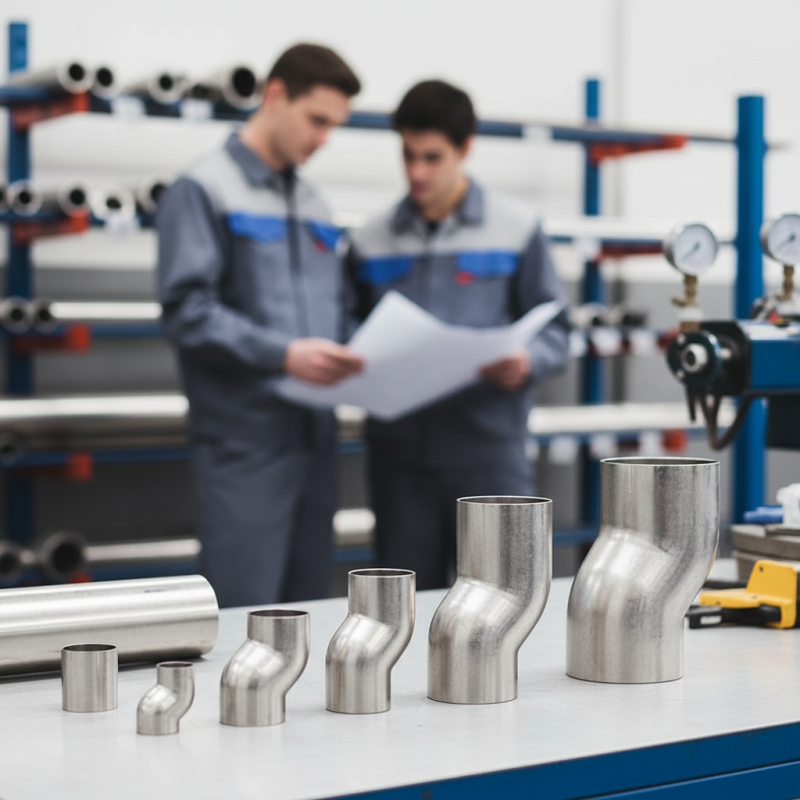
Eccentric reducer pipes play a critical role in various piping systems. They help facilitate smooth transitions between different pipe diameters. This is especially important in applications where liquid flow is crucial. An eccentric reducer minimizes turbulence and promotes efficient flow. According to industry reports, improper flow transition can lead to a 15% decrease in system efficiency.
Understanding the difference between concentric and eccentric reducersis vital. While Concentric Reducers maintain the same centerline, eccentric versions offer benefits in specific situations. They aid in drainage applications, preventing liquid accumulation. However, selecting the wrong type can result in increased pressure drops. In China, concentric reducer and eccentric reducer products are widely used, demonstrating their significance in engineering solutions.
The right choice of eccentric reducer impacts project outcomes. Measurements matter greatly; even minor miscalculations can lead to costly errors. For instance, a poorly sized reducer can create bottlenecks. In some cases, engineers find themselves needing to recalibrate their systems entirely. It's essential to consider flow rates, pipe materials, and installation environments when making decisions. While many resources exist, practical experience often reveals gaps in knowledge. Proper training can make a difference.
Key Factors to Consider When Selecting an Eccentric Reducer Pipe
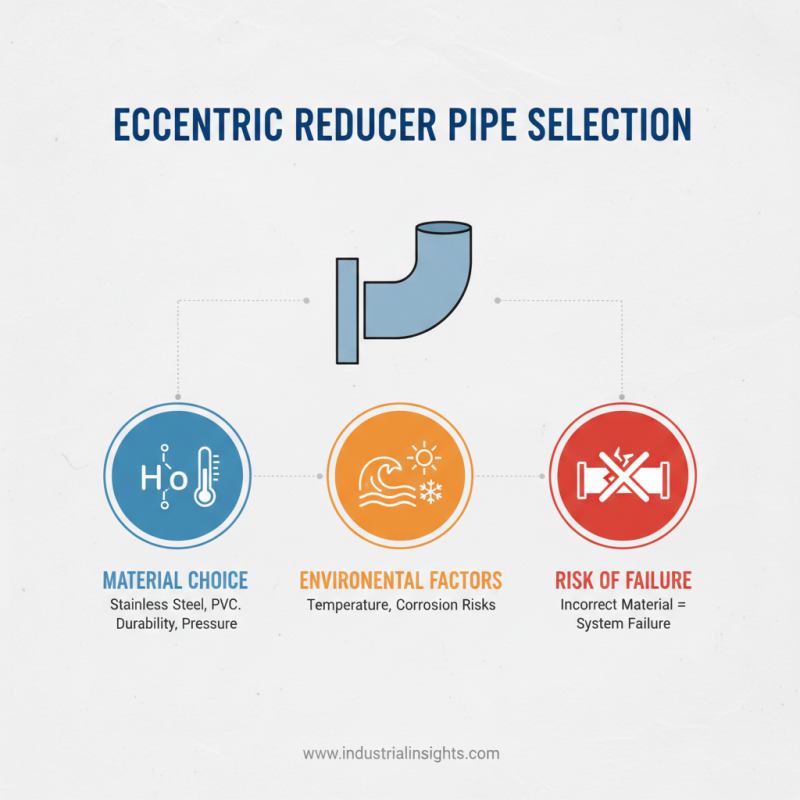
When selecting an eccentric reducer pipe, several key factors come into play. Material choice is critical. Various materials, like stainless steel and PVC, differ in durability and pressure resistance. Your project's specific environment influences these decisions. Think about temperature and corrosion risks. Selecting the wrong material can lead to failure.
Size and specifications matter too. Measure precisely. An incorrect diameter may cause inefficient flow. Understand the requirements of your system. Consider the dimensions of the pipes you’ll connect to the reducer. Compatibility with other components ensures a seamless fit.
Another aspect is the application type. Some projects require flexibility; others need rigidity. An OEM concentric reducer may fit better in certain scenarios. Conversely, an eccentric reducer is often preferred for specific flow requirements. Knowing your system's demands aids in making the right choice. Mistakes can be costly, leading to waste and downtime. Pay close attention to each detail to avoid pitfalls.
Material Choices for Eccentric Reducer Pipes: Pros and Cons
When selecting an eccentric reducer pipe, material choice is crucial. Common materials include stainless steel, PVC, and Carbon Steel. Each has unique pros and cons worth considering. Stainless steel offers great corrosion resistance. However, it can be more expensive than alternatives. PVC is lightweight and affordable. Yet, it may not withstand high temperatures or pressures.
Carbon steel is strong and durable, making it suitable for various applications. However, it is prone to rust if not properly coated. Knowing the environment where the pipe will be used can help in decision-making. For instance, in humid settings, stainless steel may be preferable. In systems with budget constraints, PVC could be the right choice. Balancing cost with functionality often leads to tough decisions. It’s also critical to consider installation challenges. Each material may require different tools and techniques. This can impact the overall project timeline and cost.
Before making a choice, reflect on both immediate needs and long-term performance. Spend time considering how the decision aligns with project goals. It’s easy to overlook details, but attention to material properties can save headaches later. Making an informed choice ensures the system functions reliably over the years.
Sizing Guidelines for Eccentric Reducer Pipes: Finding the Right Dimensions
Choosing the right eccentric reducer pipe for your project requires careful consideration of several sizing guidelines. The diameter, thickness, and material are critical elements. Data from the American Society for Testing and Materials (ASTM) highlights that the fitting's diameter should correspond closely to the pipe size to prevent flow issues. Under-sizing can lead to turbulence and increased friction loss.
When selecting dimensions, it's essential to refer to industry standards. A report from the International Organization for Standardization (ISO) suggests that a reduction in diameter by more than 20% may result in significant performance losses. This kind of mismatch could lead to excessive pressure drops. The wall thickness also matters. A thinner wall may not withstand pressure, leading to failure.
Specific applications may require custom sizes. If stock options don't meet needs, custom fittings may be necessary. Remember to consider installation space, as fitting adjustments could demand several inches more. Inadequate space can complicate installations, which could push project timelines. Always double-check specifications and dimensions to avoid costly errors. Miscalculations can lead to improper flow rates, negatively impacting the entire system. Planning and precision matter here.
Choosing the Right Eccentric Reducer Pipe: Sizing Guidelines
Application Scenarios: Where to Use Eccentric Reducer Pipes
Eccentric reducer pipes play a crucial role in various applications. They are often used in settings where the flow of fluid must be maintained at a constant rate. These pipes are particularly useful in a horizontal pipe system. When you need to transition from a larger to a smaller diameter, an eccentric reducer keeps the flow consistent. Many construction projects benefit from this design.
Shipbuilding is a key area for these pipes. The eccentric reducer allows for efficient installation in tight spaces. It prevents air pockets and facilitates smooth transitions. This pipe type is also common in wastewater treatment plants. Here, the fluid's velocity and pressure control is essential. The need for balance makes these reducers a smart choice.
Consider the installation challenges that might arise. Not all projects are straightforward. Some may require additional fittings or adjustments. Understanding these nuances is critical. While ODM Concentric Reducer And Eccentric Reducer are widely available, selecting the right one can still be complex. Every project is unique, and that demands thoughtful consideration of the eccentric reducer's features.
Installation Tips for Eccentric Reducer Pipes: Best Practices
When installing eccentric reducer pipes, attention to detail is crucial. Start by understanding the flow direction. Improper orientation can cause issues. Ensure the larger end aligns with the upstream flow. This helps maintain an efficient flow and reduces turbulence.
Use sturdy supports when securing the pipes. Uneven surfaces can lead to misalignment. Misalignment may cause leaks over time. Be sure to check the stability during the installation process. Tighten all joints properly, but avoid overtightening. This can warp the pipe, compromising its integrity.
Test the system after installation. Run water or air through the pipes to check for leaks. Look for signs of pressure changes. Sometimes, a subtle detail can indicate a larger problem. Keep a reflective mindset during installation. Small oversight can lead to significant failures. Always review your work. It’s an opportunity to learn and improve for future projects.
Maintenance and Inspection of Eccentric Reducer Pipes for Longevity
Eccentric reducer pipes are essential in various projects. Proper maintenance and inspection significantly extend their lifespan. Regular checks help identify wear or damage early. Inspect the joints and connections for leaks or rust. Look for signs of corrosion on the pipe’s surface. Small issues can lead to bigger problems down the line.
Cleaning is another crucial step. Dirt and debris can accumulate over time. A simple wash can prevent blockages. Avoid using harsh chemicals that may damage the material. Ensure that any flanges are secure. Loose connections can compromise the system's efficiency.
Investing in High-Quality Concentric Reducer And Eccentric Reducer pipes pays off. They tend to require less maintenance. However, even the best materials need care. Schedule regular inspections to ensure everything runs smoothly. Remember, neglect can lead to costly repairs. Being proactive can save time and resources.
How to Choose the Right Eccentric Reducer Pipe for Your Project? - Maintenance and Inspection of Eccentric Reducer Pipes for Longevity
| Dimension | Material | Pressure Rating (psi) | Typical Use | Maintenance Frequency |
| 2" x 1.5" | PVC | 150 | Water Supply | Annually |
| 3" x 2" | Carbon Steel | 300 | Oil & Gas | Semi-Annually |
| 4" x 3" | Stainless Steel | 600 | Chemical Processing | Quarterly |
| 6" x 4" | Ductile Iron | 250 | Sewage | Monthly |
| 8" x 6" | Fiberglass | 150 | Irrigation | Annually |
Exploring the Latest Trends and Market Dynamics in Pipe Bend Manufacturing: Insights from Industry Reports and Projections
In the ever-evolving landscape of pipe bend manufacturing, understanding the latest trends and market dynamics is crucial for stakeholders within the industry. The demand for highly resilient and durable pipe fittings, particularly elbows, has surged as industries seek solutions that can withstand extreme conditions. As reported, the use of high-quality raw materials such as carbon steel, stainless steel, and alloy steel is essential to meet the rigorous performance standards required for various applications. Advanced manufacturing processes, including hot push and cold bending techniques, play a pivotal role in enhancing the mechanical properties of these elbows, ensuring that they exhibit exceptional strength and toughness.
Furthermore, the ability of these elbows to perform reliably in high-pressure and high-temperature environments, as well as in applications involving corrosive media, underscores their importance in the modern industrial landscape. Their robust construction allows them to withstand pressure impacts and resist medium erosion, significantly prolonging the lifespan of pipeline systems. As the focus on sustainability and efficiency drives innovation in pipe bend manufacturing, it is evident that the integration of superior materials and advanced processing techniques will continue to shape the industry's future, providing valuable insights for stakeholders looking to enhance their operational capabilities.
FAQS
: Plant-based foods can improve heart health. They are often lower in calories and rich in nutrients. Many people feel more energetic.
Begin by adding more fruits and vegetables to your meals. Gradually replace animal products with plant alternatives. Experiment with new recipes.
Some may find it difficult to get enough protein. Others might struggle with meal preparation or finding suitable options while dining out.
Yes, if planned correctly. Focus on diverse foods like beans, grains, and seeds. Supplements might be necessary for vitamin B12.
It can be, depending on choices. Whole foods might be cheaper than processed options. Local produce is often more affordable.
Try plant-based alternatives to your favorite dishes. Allow yourself occasional indulgences. Mindful eating can help manage cravings effectively.
Limit highly processed foods. Watch out for added sugars and unhealthy fats. Some vegan products can be misleading.
Plan meals weekly. Prep ingredients in advance. Batch cooking can save time and ensure you have healthy options available.
Quick meals can be made with frozen fruits and veggies. Smoothies are easy and nutritious. Canned legumes offer convenience without compromising health.
While not essential, tracking can help ensure you're meeting your needs. It may highlight areas for improvement. Reflect regularly on your choices.
Conclusion
Eccentric reducer pipes are essential components in piping systems, designed to facilitate smooth transitions between different pipe diameters while maintaining consistent flow. When selecting the right eccentric reducer pipe for your project, several key factors must be considered, including the desired material, sizing guidelines, and specific application scenarios. Each material—be it metal, plastic, or composite—comes with its own set of advantages and disadvantages that can impact durability and performance.
Installation and maintenance are equally important to ensure the longevity of eccentric reducer pipes. Adhering to best practices during installation and conducting regular inspections can prevent potential issues and enhance the efficiency of the piping system. Ultimately, understanding the properties and applications of eccentric reducer pipes enables you to make informed decisions that will benefit your project.