Picking the right 90° elbow for your project is pretty important when you're working on plumbing or piping. You know, something like the Gi Elbow is designed to smoothly redirect fluid without any hassle. Finding the right one really makes a difference—it affects how long it lasts and how well everything works together.
Now, there are quite a few things to think about. Material choices, what you're using it for, and flow needs all matter. Like, stainless steel is awesome if you want something that's resistant to rust, but PVC is way lighter and more budget-friendly. Honestly, figuring all this out can be a bit overwhelming, especially if you're just starting out. Sometimes, thinking back on your past projects or experiences helps you get a feel for what works best.
One mistake I often see folks make is not paying enough attention to the size of the fittings. Using the wrong size can cause leaks or make your system less efficient. So, it's really important to measure your existing pipes carefully. Picking the right 90° elbow isn’t just about performance—it also influences how much trouble you might have down the road with maintenance. So yeah, taking the time to choose wisely really pays off in the end.
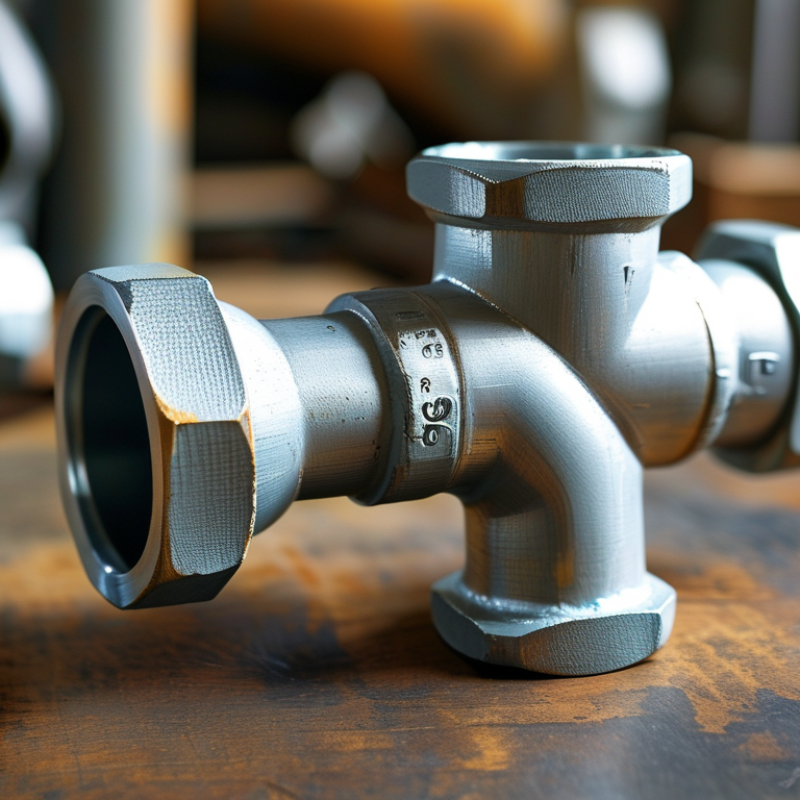
Understanding the Basics of 90 Degree Elbows in Plumbing Projects
When it comes to plumbing projects, understanding the role of 90 degree elbows is crucial. These fittings redirect flow and help maintain pressure. According to a study by the American Society of Plumbing Engineers, proper alignment using elbows can reduce system friction loss by up to 20%. This is significant when calculating flow rates in your plumbing design.
Selecting the right Elbow 90 involves considering material types. Common options include PVC, copper, and brass. Each material offers unique benefits for different conditions. For instance, PVC is lightweight and resistant to corrosion, while copper is known for its durability. However, using a material unsuitable for the project can lead to unexpected leaks or decreased performance.
Furthermore, consider the diameterof the elbow. An ill-fitting Elbow 90 may disrupt flow, resulting in inefficiencies. A mismatch could lead to higher operational costs. It's essential to verify measurements and maintain compatibility with existing pipes. Remember, sometimes projects require more than one elbow, which can complicate your layout. Always assess potential problems before installation.
Identifying Material Options for 90 Degree Elbows: PVC, Copper, and More
When selecting a 90-degree elbow for your project, understanding material options is crucial. PVC is widely used for drainage and venting. It’s lightweight and resistant to corrosion. However, PVC may not handle high-temperature fluids well. In contrast, copper elbows are robust and ideal for plumbing. They withstand heat better than PVC, making them suitable for hot water systems. But, copper can be expensive and requires more specialized fittings.
Other materials like stainless steelprovide unique advantages. Stainless Steel Elbows resist corrosion and are strong. They are suitable for both domestic and industrial uses. Yet, they are much heavier, and installation can be complex.Consider the environment where the elbow will be used. Temperature, pressure, and type of fluid matter.
Reflect on your project's specific needs. You may find that a less common material suits your purpose better. Sometimes, overthinking materials can lead to decision fatigue. It’s wise to consult with experts to weigh options. Seek advice from those with experience to improve your choices. A well-informed decision can lead to a better outcome.
Assessing the Size and Diameter Requirements for Your Pipe System
Choosing the right elbow fitting, like a 90 degree elbow, is crucial for any piping project. The size and diameter of your pipes greatly influence the efficiency of your system. Begin by measuring the existing pipes. The diameter should match closely for a secure fit. Mismatched sizes can lead to leaks or reduced flow. A snug fit is essential to avoid future complications.
When considering options, assess the flow rate of your system. Calculate how much fluid needs to pass through the pipes. This will guide you in selecting the right diameter for your Ppr Elbow. A larger diameter allows for increased flow but may require adjustments elsewhere in your system. Conversely, a smaller diameter might save space but could restrict flow.
Evaluate your project’s specific needs. Not all systems are the same. Different applications may require unique sizing considerations. Always think about long-term performance. Reflect on past projects where poor sizing led to issues. Learn from those experiences to make better choices now. Proper sizing is not just about fit; it impacts overall efficiency and durability.
Evaluating Different Types of 90 Degree Elbows for Specific Applications
When selecting a 90-degree elbow for your project, it’s important to understand the specific application. Different materials and angles can affect performance in various settings. For plumbing, PVC elbows are common because they resist corrosion. In contrast, metal elbows are typically used in industrial applications due to their strength and durability.
Understanding pressure ratings is crucial. Some elbows can handle high pressure, while others may not. This difference can impact the long-term success of your project. Pay attention to the fitting’s compatibility with existing pipes. Mismatched materials can lead to leaks.
Tips: Always evaluate the environment where the elbow will be used. Extreme temperatures can compromise certain materials. Look closely at installation ease; complicated setups can lead to errors. Make sure to consult professionals if you’re unsure. Using the correct elbow type can save you money and time in repairs later.
Considering Pressure Rating and Temperature Tolerance in Elbow Selection
Choosing the right 90-degree elbow for your project can be crucial. One of the most important factors to consider is the pressure rating. Elbows must withstand the pressure of the system they are a part of. If the pressure is too high, the elbow can fail. This could lead to leaks or system breakdown.
Temperature tolerance is equally important. The material of the elbow must resist the operational temperature. For example, if you are using a 40mm Elbow in a heating system, ensure it can handle high temperatures without warping. If the elbow overheats, it could compromise the entire structure of the piping system.
Tips: Always check the specifications for both pressure and temperature ratings before purchasing. Consult with professionals if you are unsure. Remember, using the wrong elbow can lead to costly mistakes. Even minor imperfections in your choice can have significant consequences later on. Don't cut corners; invest time in understanding your needs.
Tips for Installation: Ensuring Proper Fit and Functionality
When installing a 90-degree elbow, precision is essential. Ensure that the fit between the elbow and piping is snug. A tight fit helps prevent leaks, which can lead to costly repairs. Check the diameter of pipes before buying elbows. The correct size ensures compatibility and optimal flow.
Take the time to assess your existing installation conditions. Sometimes, existing pipes may not align perfectly. Consider using adjustable Pipe Supports to maintain alignment. If you don't pay attention to the angle or orientation, issues may arise later. Ensure the elbow is positioned correctly before securing it.
It's also crucial to use the right connection method. Whether you are using adhesive, welding, or mechanical fittings, follow specific guidelines for each method. Improper techniques can compromise the integrity of the installation. Remember, a seemingly minor mistake can lead to major drawbacks. Regularly check your work after installation to ensure everything functions as intended.
Material Types for 90 Degree Elbows: Usage Frequency
Common Mistakes to Avoid When Choosing 90 Degree Elbows for Projects
Choosing the right 90-degree elbow can be daunting. Many overlook critical factors. A common mistake is ignoring the material. Different projects require specific materials for durability and strength. For instance, metals like copper offer corrosion resistance, while PVC is lightweight and cost-effective. According to industry reports, over 40% of installation issues stem from improper material choices.
Another frequent error is sizing. Using an incorrectly sized Base Elbow can lead to leaks and inefficient flow. Always measure your pipes accurately before selecting elbows. Studies indicate that 30% of plumbing failures are due to poor fitting sizes. This oversight can compromise the entire system and waste time and resources.
Installation practices also matter. Many DIY enthusiasts skip detailed instructions, assuming they know best. This leads to improperly installed elbows, creating weak points in a system. Documentation from various trade sources suggests that about 25% of plumbing errors come from ignoring installation guidelines. Don't let haste turn a simple project into a costly repair.
How to Choose the Right 90 Degree Elbow for Your Project? - Common Mistakes to Avoid When Choosing 90 Degree Elbows for Projects
| Elbow Type | Material | Pressure Rating | Temperature Range | Common Applications | Common Mistakes |
| Standard Elbow | PVC | 150 PSI | -10 to 60 °C | Drainage Systems | Ignoring pressure rating |
| Reducing Elbow | Copper | 200 PSI | 0 to 100 °C | HVAC Systems | Choosing wrong size |
| Long Radius Elbow | Stainless Steel | 300 PSI | -50 to 400 °C | Industrial Piping | Overestimating temperature limits |
| Short Radius Elbow | Carbon Steel | 150 PSI | -20 to 200 °C | Chemical Processing | Neglecting compatibility with fluids |
| Bend Elbow | PP (Polypropylene) | 100 PSI | -30 to 80 °C | Agricultural Systems | Not accounting for flow direction |
FAQS
: The right elbow fitting ensures efficient fluid flow in your piping project. A wrong choice can lead to leaks.
Measure existing pipes accurately. Matching diameters closely is essential for a secure fit and optimal performance.
Mismatched sizes can cause leaks and restrict flow. This may lead to future complications in the system.
Assessing flow rate helps in selecting the correct diameter. Higher flow rates may require larger pipe diameters.
Material choice is crucial. Metals like copper resist corrosion, while PVC is lightweight and cost-friendly.
Reflecting on past sizing mistakes helps avoid future issues. Learning from mistakes can enhance long-term performance.
Avoid ignoring material choices. Also, ensure accurate sizing; most plumbing failures stem from these mistakes.
Proper installation is vital. Ignoring guidelines leads to errors, creating weak points in the plumbing system.
Many DIYers skip instructions, risking improper installation. Following guidelines is crucial for successful outcomes.
Poor sizing can compromise the whole system and waste time. It’s essential to get sizing right the first time.
Conclusion
Choosing the right 90° elbow for your plumbing project is crucial for ensuring system efficiency and functionality. Understanding the basics of 90° elbows helps in determining the appropriate material options, such as PVC and copper, as well as the sizing and diameter requirements that match your pipe system. It’s essential to evaluate different types of 90° elbows for specific applications and to consider their pressure ratings and temperature tolerances to ensure optimal performance.
Additionally, proper installation is key to achieving a secure fit, thus avoiding common mistakes that can lead to leaks or system failures. By carefully assessing these factors, you can make an informed choice that enhances the reliability of your plumbing setup with the right 90° elbow.