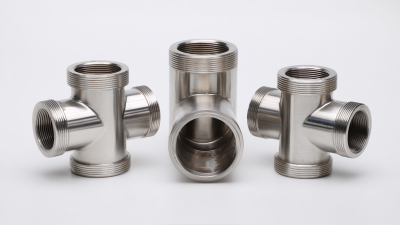
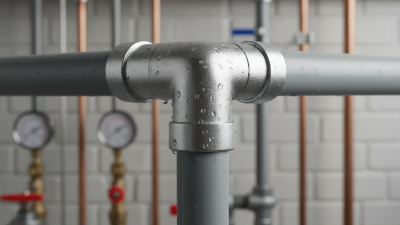
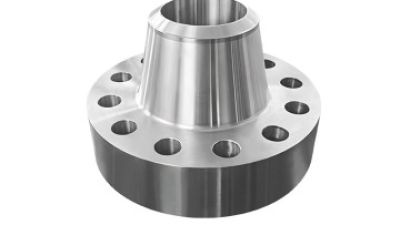
Picking out the right Slip-On Flange With Neck for your project isn’t always straightforward, but it’s pretty important too. Industry pro James Carter from Flange Solutions puts it simply: “Choosing the right flange type is key to keeping your whole system running smoothly.” Every project has its own quirks and needs, which can make the decision a bit tricky.
Whether you’re worried about pressure ratings or matching materials, the Slip-On Flange With Neck really matters. It’s commonly used because it makes connecting pipes easier and offers some flexibility when installing. But if you don’t choose the right one, things can get messy—think leaks or mechanical issues down the line. For example, while it’s way simpler to install than a Welded Neck Flange, picking the wrong specs could cause problems later on.
Getting into the details is super important. Knowing your pressure needs and environmental factors can really help narrow down your choices. Plus, what works for one project isn’t always the best for another. Taking a moment to think about what your project actually requires will help you see where the differences lie and point you in the right direction.
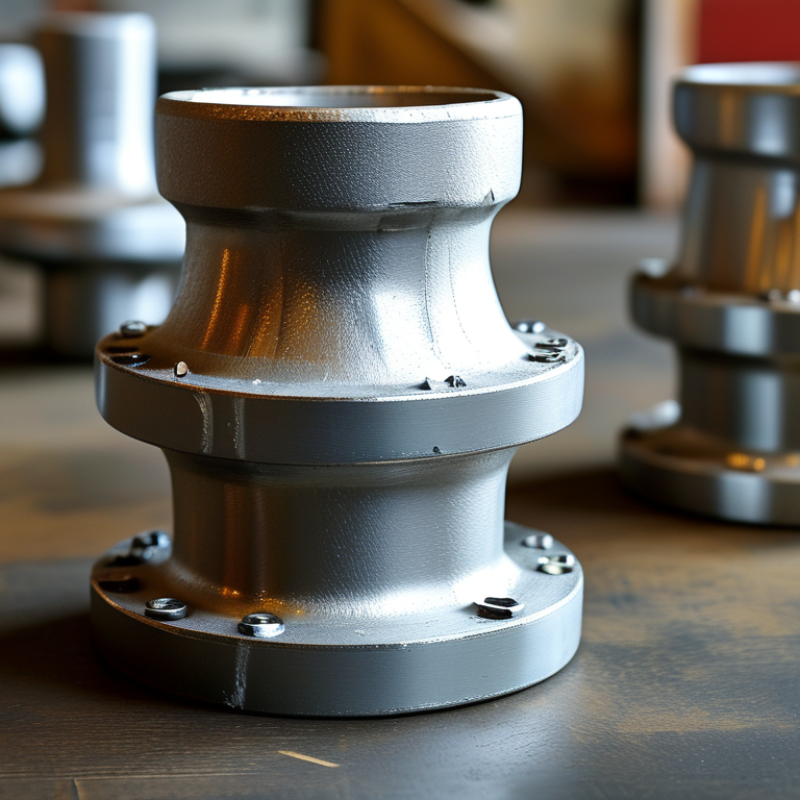
Understanding Slip-On Flange with Neck: Definition and Purpose
Understanding the slip-on flange with neck is crucial for many piping projects. This type of flange is designed with a protruding neck, which allows for enhanced strength and stability. The neck design enables better alignment and support for the pipe. This is especially important in applications involving high pressure or fluctuating temperatures.
Choosing the right slip-on flange requires careful consideration of material specifications. The neck provides a larger surface area for welding, reducing the likelihood of leaks. It is essential to match the flange material with the piping material for optimal performance. Many professionals also prefer the China Stainless Steel Butt Welded Flange With Neck due to its reliable engineering and robust construction.
In practical applications, flaws in selecting the appropriate flange type can lead to significant issues. For instance, using a flange with inadequate pressure ratings can result in catastrophic failures. It's vital to assess the specific needs of your project, including pressure, temperature, and medium. These decisions directly impact the system's safety and efficiency.
How to Choose the Right Slip-On Flange With Neck for Your Project?
| Dimension | Description | Material | Pressure Rating | Applications |
| 1/2 inch | Standard size for low-pressure applications | Carbon Steel | 150 ANSI | Hydraulic systems |
| 3/4 inch | Common for medium-pressure pipelines | Stainless Steel | 300 ANSI | Chemical processing |
| 1 inch | Versatile size for various applications | Alloy Steel | 600 ANSI | Oil and gas |
| 1.5 inch | Ideal for higher flow rates | Carbon Steel | 150 ANSI | Water treatment |
| 2 inch | Used in heavy-duty applications | Stainless Steel | 150 ANSI | Industrial pipelines |
Key Factors to Consider When Selecting Slip-On Flanges
When selecting a slip-on flange with a neck for your project, several key factors require careful consideration. The flange material is crucial. Options include stainless steel, carbon steel, and alloy materials. Each has unique properties influencing strength, corrosion resistance, and joint integrity. Your project requirements will dictate the best choice.
Another factor is flange size. Proper sizing ensures a tight seal and accommodates the specified piping dimensions. This includes the pipe diameter and pressure rating. Mismatched sizes can lead to potential leaks or mechanical failures. Avoid assumed dimensions, as incorrect measurements could compromise safety.
Finally, examine the manufacturing standards and certifications. Reliable flanges often meet industry standards, providing assurance of quality. Reputable suppliers offer flanges tested for performance under various conditions. Documented quality checks and traceability add confidence to your selection. While you may have a preferred supplier, this does not always guarantee the best product. Each project presents unique challenges that require thorough evaluation and sometimes rethinking your initial choices.
Materials and Standards for Slip-On Flanges with Neck
When selecting the right slip-on flange with neck for your project, understanding materials is crucial. Slip-on flanges are made from various materials, each with specific properties. Common options include carbon steel, stainless steel, and alloy materials. Carbon steel is cost-effective and strong, suitable for low-pressure applications. Stainless steel offers superior corrosion resistance but can be more expensive.
Standards are equally important. Various organizations establish specifications for flanges. The ASTM and ASME standards provide guidelines that ensure quality and uniformity. For example, ASME B16.5 outlines dimensions, tolerances, and pressure ratings. Compliance with these standards is essential for safety and performance. However, not all manufacturers adhere strictly to these guidelines. This can result in compatibility issues down the line.
Choosing the right slip-on flange requires careful consideration. A mismatch in materials or standards can lead to failures. Always consult with engineers or industry professionals to reflect on your choices. An informed decision will enhance project reliability and effectiveness.
Material Comparison for Slip-On Flanges with Neck
Sizing and Dimensions: Ensuring Fit for Your Project
When selecting a slip-on flange with a neck for your project, understanding sizing and dimensions is crucial. The fit directly affects the integrity of your system. Each flange must match the pipe diameter and wall thickness precisely. If the dimensions are off, it could lead to leaks or structural failures. A flange that is too large or too small will not seal correctly. Thus, always double-check measurements before purchasing.
Consider the material as well. Options like the OEM Stainless Steel Butt Welded Flange With Neck offer durability and resistance to corrosion. However, even the best materials can fail if not sized properly. Make use of calipers or tape measures for accurate sizing. Using 3D models or CAD software can also aid in visualizing fit and alignment. Reflect on past projects; miscalculations can be costly and time-consuming.
The neck design of the flange also plays a role. A longer neck may provide better alignment and support. Yet, this can create complications in tight spaces. Balancing the flange's neck length with available installation space is vital. Overlooking these details can lead to adjustments that impact the entire project timeline. Always confirm that the chosen component fits your specific application.
Installation Techniques for Slip-On Flanges with Neck
When considering slip-on flanges with necks, installation techniques are pivotal. Proper alignment during installation is crucial to prevent leaks and ensure structural integrity. According to the American Society of Mechanical Engineers (ASME), flange misalignment is a common issue, leading to leaks in approximately 10% of installations. This highlights the importance of precision during both fitting and welding processes.
Using an ODM Stainless Steel Butt Welded Flange With Neck can enhance reliability. The neck design adds stiffness and distributes stress better, especially in larger diameters. Proper support under the flange is essential for load distribution. Without adequate support, there is a significant risk of deformation during welding. A study by the American Welding Society (AWS) found that misalignment during welding can cause up to a 25% decrease in the joint's strength.
Welding processes must be closely monitored for quality control. Inconsistent heat application may weaken the weld and lead to future failures. Inspecting the surface for imperfections before assembly is vital. Practicing regular maintenance checks can mitigate many installation and operational issues. Always evaluate whether the initial installation meets the specifications for better long-term performance.
Common Applications and Industry Use Cases
Slip-on flanges with necks are widely used in various industries due to their versatile nature. These components find applications in piping systems, where they offer reliable connections. They are particularly beneficial in situations where ease of installation is crucial. Industries like oil and gas often rely on these flanges to manage fluids effectively. They help maintain appropriate pressure within a system.
Another common use case is in chemical processing plants. Here, slip-on flanges with necks contribute to maintaining system integrity. They provide a robust solution against leaks and corrosion. The design allows for easy alignment and welding, which is vital in high-stress environments. However, selecting the right flange requires careful consideration of material properties and load requirements.
Despite their benefits, there can be challenges. Improper installation may lead to issues like misalignment and leaks. It's essential to evaluate application needs thoroughly. Reflecting on past projects can highlight potential pitfalls. Keeping in mind environmental factors, such as temperature and pressure, will also enhance reliability. Balancing these complexities is key to achieving successful outcomes in your projects.
Maintenance Tips for Longevity of Slip-On Flanges
Maintaining slip-on flanges is crucial for ensuring long-term performance. Regular inspections can reveal wear or corrosion. Pay attention to the sealing surfaces. These are critical for preventing leaks. A small gap can lead to significant issues over time. Visual checks can help identify any early signs of deterioration.
When it comes to cleaning, avoid harsh chemicals that may damage the material. Use a soft cloth and mild soap instead. This simple practice preserves the integrity of your slip-on flanges. For better durability, consider High-Quality Stainless Steel Butt Welded Flange With Neck. This option is known for its resistance to harsh environments.
Another important aspect is proper installation. Ensure flanges are aligned correctly to avoid stress. Misalignment can lead to premature failure. Over-tightening should also be avoided. This can warp the flange and compromise its seal. Routine maintenance should be documented. This helps in tracking any issues that may arise over time.
Understanding Flanges: Types, Applications, and Selection Criteria for Optimal Performance
Flanges are essential components in various piping systems, serving as a critical connection point for pipes, valves, and other equipment. Understanding the different types of flanges—such as welded, slip-on, and Blind Flanges—along with their specific applications, is crucial for selecting the right product to ensure optimal performance in any system. Flange selection should consider factors like the operating environment, pressure levels, and the nature of the fluids being transported.
When it comes to performance, flanges must be manufactured to withstand demanding conditions. High-quality raw materials and advanced production processes are vital in achieving the necessary durability and sealing effectiveness. This is particularly important in high-temperature or high-pressure environments, where the risk of leakage can compromise system integrity. Products designed with these parameters in mind offer significant advantages, providing stable operation even in corrosive conditions, thereby safeguarding the entire pipeline system. Properly selected and installed flanges are critical for ensuring safety and efficiency in fluid transfer applications.
FAQS
: The right sizing is essential for preventing leaks and structural failures. Incorrect dimensions can cause significant issues.
Use calipers or tape measures for precise measurements. 3D models and CAD software can help visualize fit.
Regular inspections for wear and corrosion are crucial. Focus on the sealing surfaces to prevent leaks.
Avoid harsh chemicals. Use a soft cloth and mild soap to clean the flanges safely.
A longer neck can improve alignment but may complicate installation in tight spaces. Balance is essential.
Misalignment can lead to premature failure and costly repairs, impacting the project's timeline.
Yes, documenting maintenance helps track issues over time and ensures the longevity of the components.
Yes, over-tightening can warp the flange, compromising the seal and leading to failure.
The right material ensures durability and corrosion resistance, but improper sizing can negate these benefits.
Consider any miscalculations or oversights during the project. Learning from these can enhance future work.
Conclusion
The article "How to Choose the Right Slip-On Flange With Neck for Your Project?" provides a comprehensive guide to understanding the selection and application of Slip-On Flange With Neck. It begins by defining the component and its purpose in piping systems, emphasizing its ease of installation and versatility. Key factors for selection include considerations such as material compatibility, standards compliance, and the specific requirements of the project.
Furthermore, the article delves into sizing and dimensions to ensure a proper fit, highlighting the importance of accurate measurements. Installation techniques are outlined to facilitate efficient and secure assembly, while common applications across various industries are discussed to demonstrate the flange's utility. Finally, the article offers maintenance tips to enhance the longevity of Slip-On Flanges With Neck, ensuring these components perform optimally throughout their lifecycle.