Choosing the right Flange Cover for your industrial setup isn't just a small detail—it's actually pretty important because it can really affect how smoothly and safely your operations run. As worldwide standards keep changing, it’s more important than ever to understand what features and specs make certain flange covers stand out from the rest. Here’s where Sichuan Baishuo Pipeline comes into play. Founded back in 2019, they’re pretty experienced when it comes to exporting elbows, flanges, tees, manholes, and other pipe accessories used in chemical industries. They’ve got a solid grasp on the market and the know-how to help you navigate these choices. This blog will walk you through the different types of flange covers out there, compare the materials and their qualities, and show how they meet international standards. All to give you a better idea and help you pick the best option for your specific industrial needs.
Understanding Flange Covers: Types and Applications in Industrial Settings
You know, flange covers are pretty important in a bunch of industrial setups. They act like a shield, protecting flange joints from dirt, moisture, and any kind of mechanical bumps or knocks. There are different types out there, each suited for specific environments. For example, PVC covers are a common choice in chemical plants because they resist corrosion and chemicals really well. On the other hand, rubber covers are great when you need something flexible and tough, especially in harsh conditions.
Getting a handle on which flange cover works best for your needs can really help. In the oil and gas world, for instance, metal flange covers are often used—they add extra protection and help prevent leaks and environmental issues. Meanwhile, in food and beverage processing, stainless steel covers are the go-to because they're easy to keep clean and handle sanitation like a champ. Picking the right flange cover based on what you’re working with and the environment can actually boost safety, cut down on maintenance costs, and make your whole process run smoother.
Honestly, understanding these little details can make a big difference in how well your operations go, so it’s worth paying attention to what fits best for your setup.
How to Select the Best Flange Cover for Your Industrial Needs Based on Global Standards - Understanding Flange Covers: Types and Applications in Industrial Settings
| Flange Cover Type | Material | Pressure Rating | Temperature Range | Applications |
| Standard Flange Cover | Carbon Steel | 150# - 300# | -20°F to 250°F | Oil & Gas, Water Treatment |
|
Blind Flange Cover | Stainless Steel | 150# - 600# | -50°F to 800°F | Chemical Processing, Power Generation |
| Plastic Flange Cover | PVC | Class 150 | -40°F to 140°F | Wastewater Treatment, HVAC Systems |
| Ductile Iron Flange Cover | Ductile Iron | 300# - 900# | 0°F to 400°F | Mining, Heavy Industry |
| High Pressure Flange Cover | Alloy Steel | 900# - 2500# | -40°F to 800°F | Oil & Gas Exploration, Refining |
Key Global Standards for Flange Covers: Compliance and Specifications
When you're trying to pick the best flange cover for your industrial setup, it’s pretty important to have a good grip on the key global standards out there. Knowing these helps you stay compliant and keeps things running smoothly. For example, the ASME B31.3 standard is a major one—it covers process piping systems and lays out the must-follow requirements. These rules cover everything from design and materials to installation, inspection, and maintenance. Sticking to standards like this not only keeps you safe and compliant but also boosts your operational efficiency in the long run.
If you’re looking at suppliers, Sichuan Baishuo Pipeline Co., Ltd. is worth checking out. They’ve been around since 2019 and specialize in a range of chemical pipe accessories, including flanges. They really focus on meeting these tough standards, so you know you're getting quality products that line up with international guidelines.
Choosing flange covers that match ASME B31.3 and similar standards helps not just with meeting legal requirements but also with making sure your systems stay in top shape over time. Bottom line? Paying attention to compliance and specs is a key part of making your industrial projects reliable and long-lasting.
Choosing the Right Material for Flange Covers: Factors to Consider
When you're choosing a flange cover for industrial uses, picking the right material is super important—not just for durability, but also to make sure you're meeting all those global safety standards. There are several things you need to think about, like the environment where it'll be used, temperature swings, and whether it might be exposed to chemicals. For example, materials like polycarbonate and high-density polyethylene (HDPE) are actually pretty great for places with a lot of moisture or big temperature changes—they're resistant to corrosion and UV damage, which is a big plus.
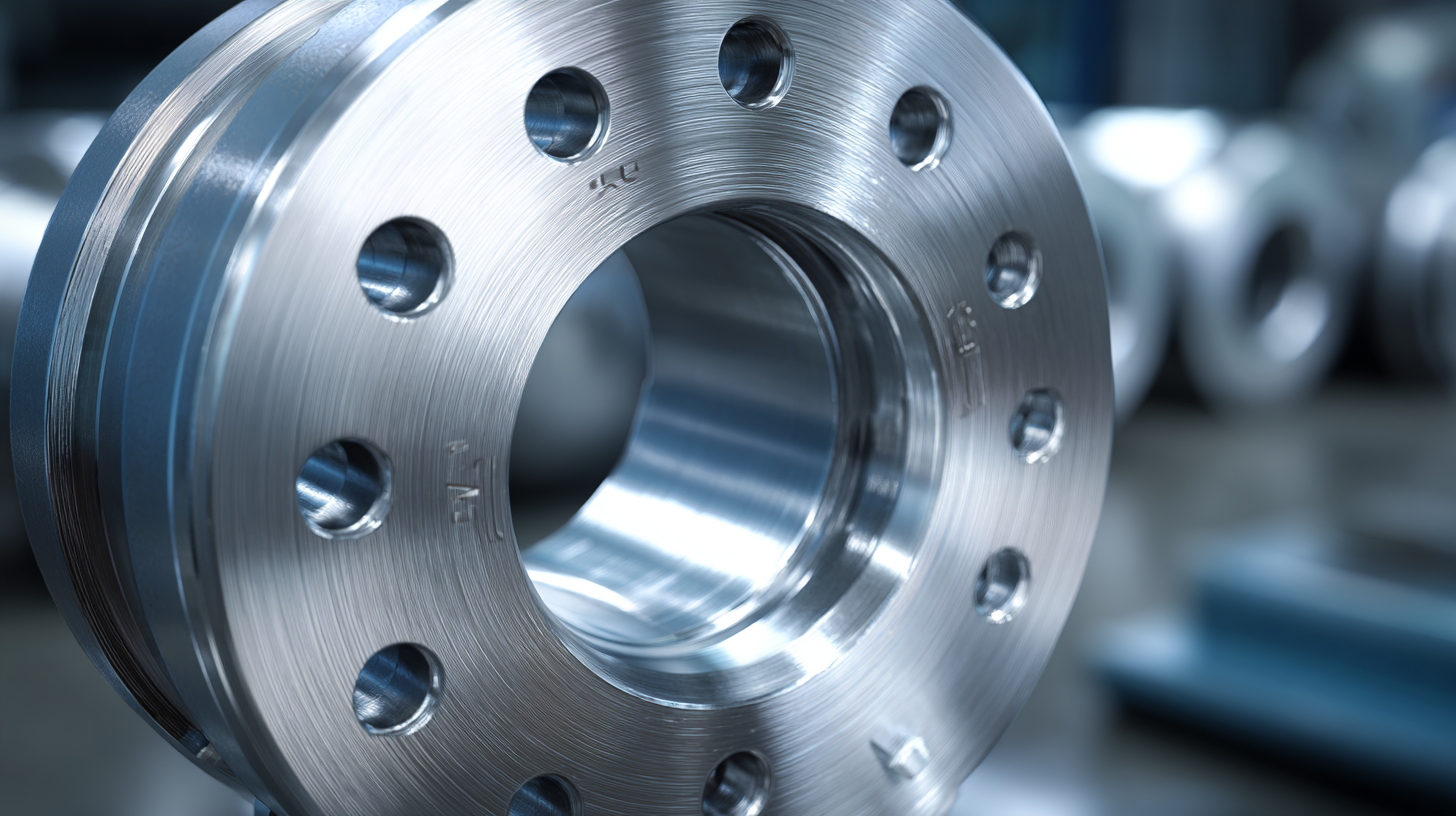
On top of that, what you plan to use the flange cover for really matters. If it’s going to be part of a high-pressure system, you'll want something that can handle not just the pressure but also mechanical stresses. Metals like stainless steel are usually the go-to in those cases because they’re tough and last a long time, even though they’re heavier than plastic options. Taking all these factors into account helps you pick a flange cover that will keep your equipment safe, and also make sure you're following the right safety and performance standards worldwide.
Evaluating Quality: How to Identify High-Performance Flange Covers
When you're picking out high-performance flange covers for industrial use, it's really important to keep quality front and center. Start by taking a close look at the materials they're made from. Ideally, you want covers crafted from tough stuff like reinforced polypropylene or stainless steel—these materials are awesome at resisting rust, corrosion, and extreme temps. Also, don’t forget to check if the product meets global standards like ASTM or ISO; that way, you get something that's been validated for safety and performance.
Another thing to keep in mind is the design and sealing features. Good flange covers should have reliable seals that stop leaks and keep contaminants out—important for keeping your operations running smoothly. Make sure the fit is spot-on too; a well-designed cover will help minimize operational hiccups. And of course, it’s worth considering the manufacturer’s reputation and warranty coverage—these often say a lot about how dependable and durable the product will be in real-life situations. By paying attention to these details, you’ll be better equipped to choose a flange cover that truly fits your industrial needs.
The Role of Chinese Manufacturing in Global Flange Cover Production
Hey, have you noticed how the global scene for flange cover production has really shifted lately? It turns out Chinese manufacturers are now playing a major role. According to a report from MarketsandMarkets, the worldwide market for flange covers is expected to hit about $2.5 billion by 2025. And guess what? Chinese companies are poised to grab a big chunk of that growth. It’s pretty impressive how they manage to produce top-notch flange covers at prices that can compete with the best—making them pretty much a go-to choice across industries like oil, gas, and petrochemicals.
What’s their secret? Well, they benefit from a solid supply chain and some pretty advanced manufacturing tech. A study from IDC suggests that more than 40% of flange covers used in industry come from China—thanks to their strong manufacturing base and strict adherence to international standards. Plus, initiatives like Made in China 2025 are really pushing for more innovation and better quality in manufacturing, which only helps Chinese firms stay ahead on the global stage. All of this just emphasizes how crucial it is to look at what a supplier can actually do when you're choosing the right flange cover—balancing good quality with cost, of course.
Global Flange Cover Production by Region (2023)
Best Practices for Flange Cover Installation and Maintenance in Industries
Picking the right flange cover is honestly pretty important when it comes to keeping things safe and running smoothly in industrial settings. When you're installing one, it’s a good idea to follow global standards—things like choosing the right materials, making sure the design fits, and checking that it works with different chemicals. The best flange covers don’t just seal tightly; they also need to handle all sorts of temperatures and pressures that pop up in these environments. And don’t forget—it's smart to do regular inspections to catch any issues early. A failure here could mean costly downtime or, worse, safety accidents.
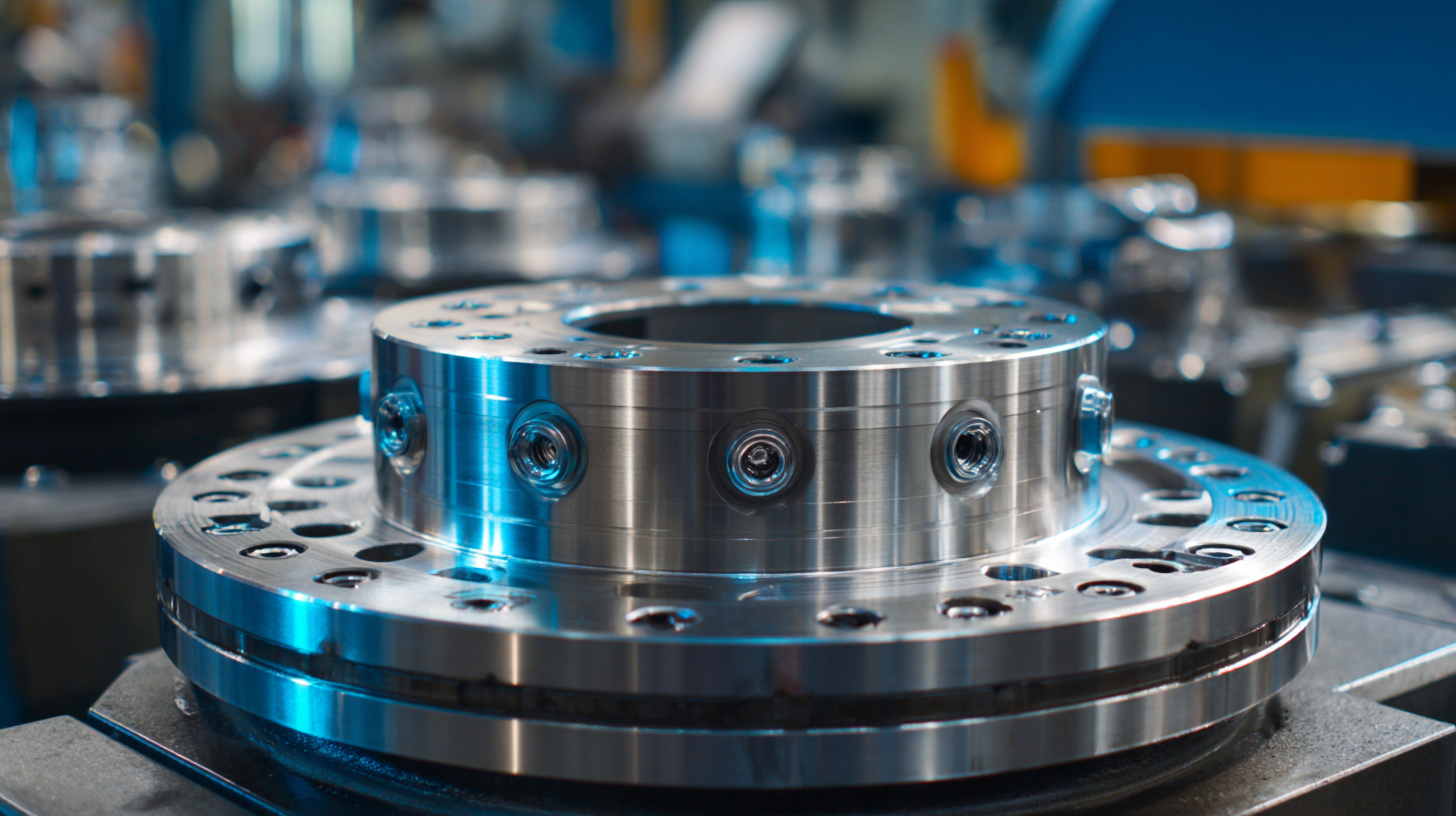
Of course, selecting the right cover is just the start. Keeping them in good shape is key too. Simple things like cleaning them regularly and checking for any signs of wear and tear can make a big difference. Industries should also follow best practices—like tightening everything to the right torque during installation—to prevent leaks and make sure the seal stays tight. At Sichuan Baishuo Pipeline Co., Ltd., we’re all about these good habits. Since 2019, we've been providing top-notch flanges and accessories, and we always aim to help our clients make informed choices that boost safety and reliability in their pipeline systems.
Understanding Flanges: Essential Components for Effective Piping Systems
Understanding flanges is crucial for anyone involved in the design and maintenance of piping systems. As essential components, flanges not only connect pipes, valves, and fittings but also play a vital role in ensuring the system's integrity and reliability. When selecting flanges, it is paramount to consider their material and construction, especially in demanding environments where heat, pressure, and corrosive substances are prevalent.
Our flanges stand out for their excellent product performance, manufactured using advanced production processes and high-quality raw materials. This commitment to quality ensures high strength and optimal sealing performance, making them ideal for various industrial applications. They excel in high temperature and high-pressure situations, maintaining a stable working state that effectively prevents leakage. This reliability provides a solid guarantee for the safe operation of any pipeline system, ultimately enhancing the overall efficiency and longevity of your infrastructure.
FAQS
: Flange covers are protective barriers that safeguard flange joints from contamination, moisture, and mechanical damage, playing a crucial role in various industrial applications.
Common materials for flange covers include polyvinyl chloride (PVC), rubber, and stainless steel, each suited for specific environments and requirements, such as resistance to chemicals or flexibility.
Metal flange covers provide protection and security against leaks and environmental hazards, making them ideal for the oil and gas industry.
Chinese manufacturers have become key players in the global flange cover production, contributing significantly to market growth due to their ability to produce high-quality products at competitive prices.
The Made in China 2025 plan aims to enhance innovation and quality in manufacturing, positioning Chinese firms as leaders in the global flange cover market.
It is essential to adhere to global standards for material selection and design specifications, ensure proper torque settings to prevent leaks, and conduct regular inspections.
Industries can extend the lifespan of flange covers through regular cleaning, checks for wear and tear, and adherence to maintenance best practices.
Failing to maintain flange covers can lead to costly downtime or safety hazards due to potential leaks or component failures.
Material compatibility is crucial for ensuring that the flange covers can withstand the specific chemicals and environmental conditions they will be exposed to.
Selecting the right flange cover enhances safety, reduces maintenance costs, and improves overall efficiency in industrial processes.