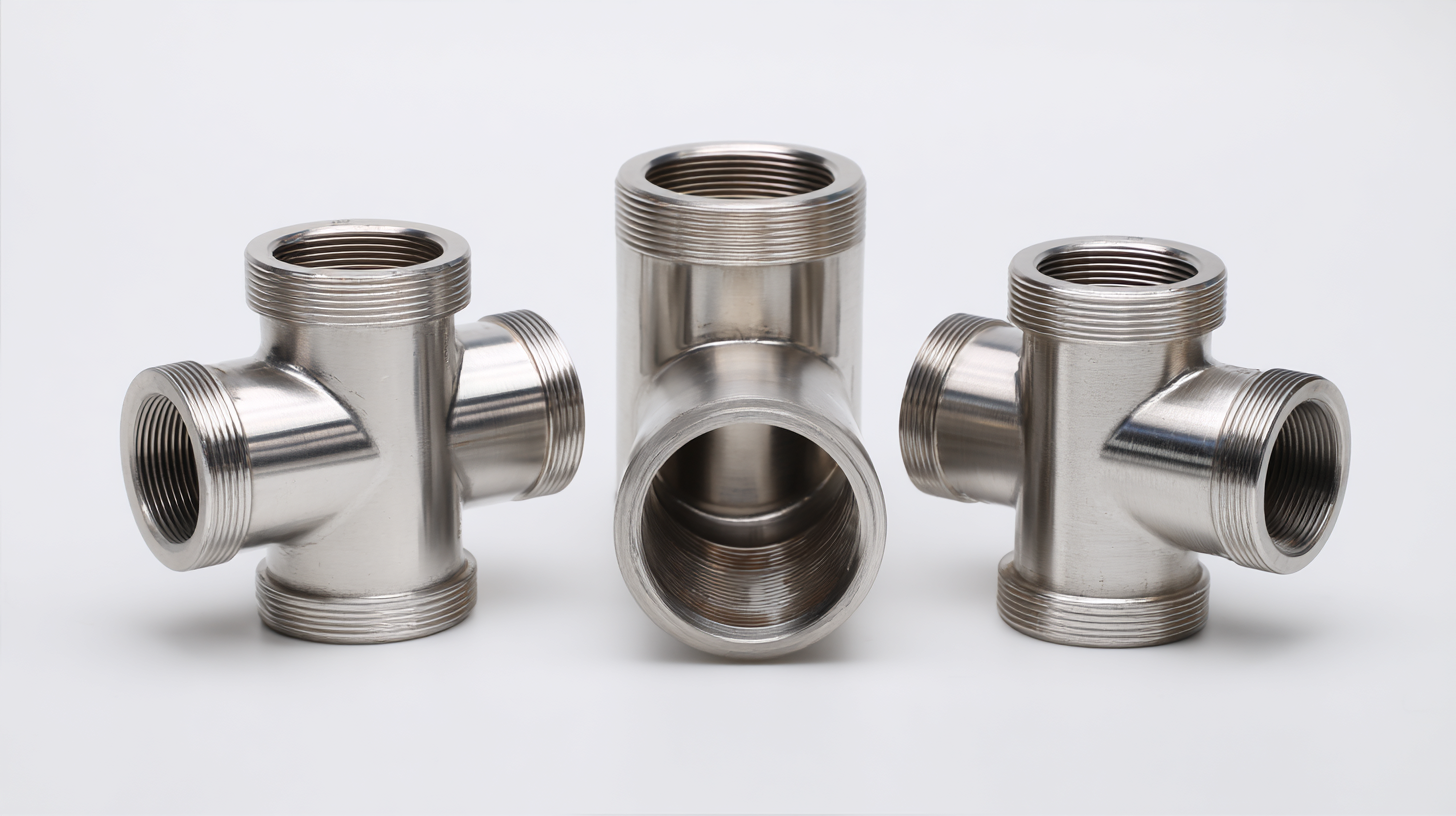
When you're dealing with piping systems, it’s really important to understand the different parts that help fluids move smoothly. One key piece you should know about is the Stainless Steel Reducing Tee. These fittings are pretty much the backbone when it comes to splitting or connecting pipes of different sizes in all sorts of industrial setups. So, a bit about us—Sichuan Baishuo Pipeline Co., Ltd., started back in 2019. We mainly focus on exporting top-quality piping accessories like elbows, flanges, tees, manholes, and a bunch of other stuff. We’ve especially built a solid reputation around stainless steel reducing tees, thanks to our deep market know-how and professional approach. In this guide, I’ll walk you through the main features, the perks, and what you should keep in mind about Stainless Steel Reducing Tees—so you’re all set and informed for your future projects and installations.
Understanding the Basics of Stainless Steel Reducing Tees
You know, stainless steel reducing tees are actually pretty essential when it comes to pipe systems. They’re what make it possible to connect pipes of different sizes without much hassle. You’ll find these fittings everywhere — from oil and gas industries to water treatment plants, even food processing setups. The cool thing is, their resistance to corrosion and overall durability make them a top choice, especially in tough environments where stuff can get pretty harsh. Based on a report from the Global Stainless Steel Pipe Market, the demand for these stainleSs Fittings is expected to grow around 5.3% each year until 2027. That’s mainly because of the ongoing expansion of infrastructure projects and industrial development around the world.
When you’re picking out stainless steel reducing tees, just keep an eye on the material details. Usually, folks go for grades 304 or 316 stainless steel — each has its perks depending on what you need. For example, grade 316 has molybdenum in it, which gives it better resistance to corrosion in chlorinated or salty environments. Also, don’t forget to check the pressure ratings and fitting sizes to make sure they match your project’s needs.
**Quick tip:** Always double-check that the stainless steel grade is suitable for the fluid or gas you’re working with — it can save you from trouble down the line. And it’s worth sourcing fittings from trusted suppliers, like Sichuan Baishuo Pipeline Co., Ltd. They’re known for high-quality pipe fittings and have built a good reputation since they started back in 2019. Choosing the right parts from reputable sources just makes everything smoother and reduces headaches later on.
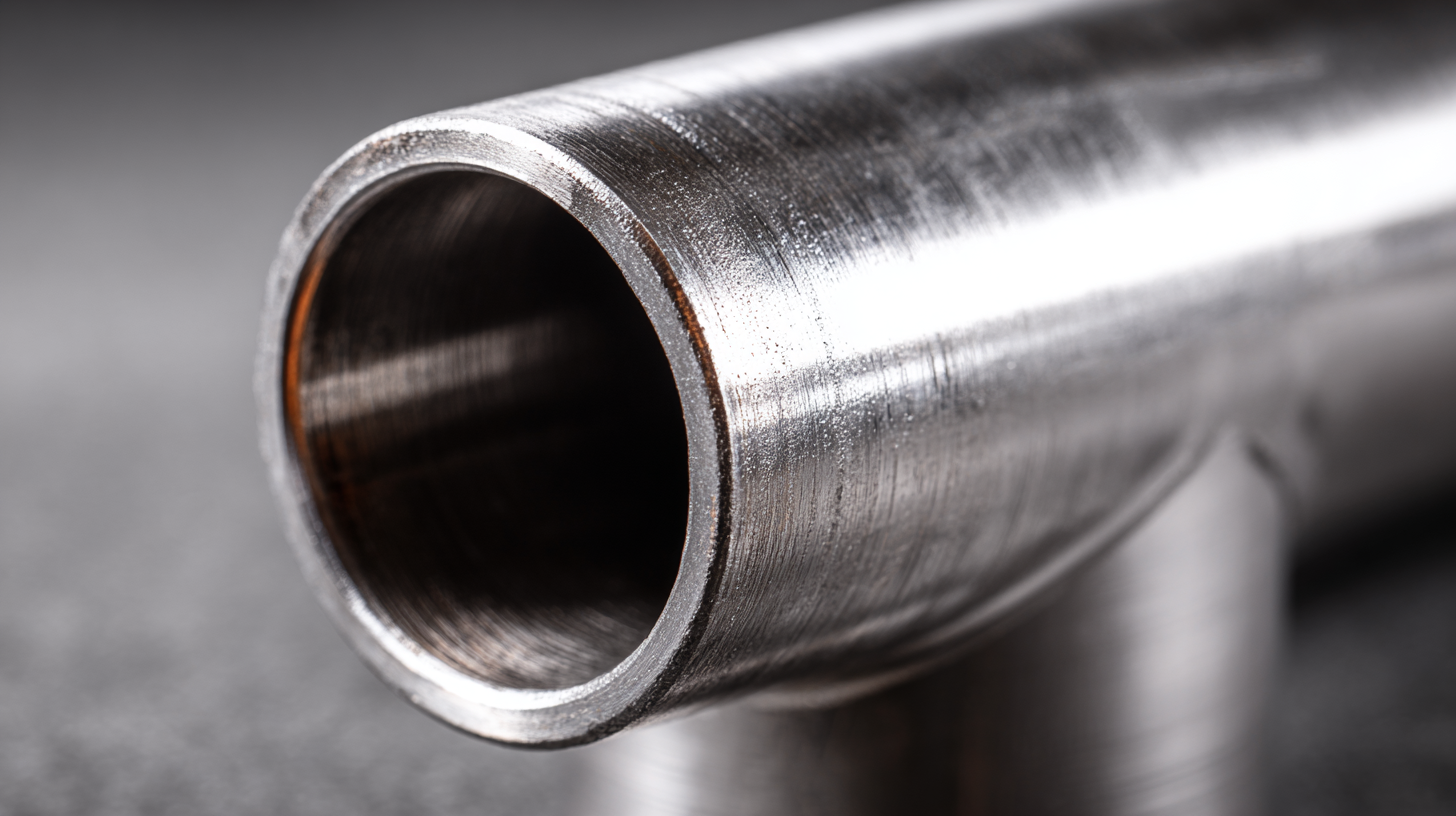
Key Benefits of Using Stainless Steel Reducing Tees in Plumbing
Stainless steel reducing tees are really essential when it comes to plumbing systems. They’re super durable and resistant to corrosion, which is a huge plus. One of the coolest things about them is their ability to handle high-pressure situations — making them a solid choice whether you’re working on a home project or something industrial. I recently read that stainless steel fittings fail less than 0.5% even under pretty extreme conditions, which is way better than traditional materials. That kind of reliability means less hassle and fewer repairs down the line, so your plumbing can last longer without issues.
Plus, using stainless steel tees fits nicely with more eco-friendly building practices. Since everyone’s talking about sustainability these days, it’s worth mentioning that stainless steel is totally recyclable and generally has a lower environmental footprint compared to other metals. The best part? You can recycle stainless steel endlessly without losing its quality — which really promotes a circular economy in construction and building maintenance.
When you’re picking out stainless steel reducing tees, make sure you get the right grade for your needs. For example, grades like 304 and 316 offer different levels of corrosion resistance, so choose based on the environment you’re working in. And hey, it’s often a good idea to chat with plumbing pros — they can help you install everything properly and give tips to keep your system running smoothly for years to come.
How to Choose the Right Size and Type of Reducing Tee
Choosing the right size and type of stainless steel reducing tees can feel a bit overwhelming at first, but it's really about understanding your system’s needs and making sure everything fits together. These tees come in all sorts of sizes to match different pipe diameters, so picking the right one is key to ensure smooth flow and a proper fit. Honestly, it’s a good idea to check out your piping specs first — that way, you know you're getting the right measurements for your setup.
And don’t forget about the type of stainless steel you go for. The grade really matters because it affects how well the tee performs over time — like how resistant it is to corrosion, how strong it is, and how it handles higher temperatures. If you’re working with high-pressure or hot environments, you’ll want to pick a stainless steel grade that can handle that without any issues. Taking the time to review your application and existing piping materials will help you make a smart choice, which ultimately means your system will run more efficiently and last longer.
Maintenance Tips for Maximizing the Lifespan of Stainless Steel Tees
Taking care of your stainless steel reducing tees is pretty important if you want them to last and keep working well. Honestly, one of the simplest things you can do is just cleaning them regularly. Stainless steel isn’t immune to rust, especially if it’s in a place that's pretty damp or exposed to chemicals. Usually, a little warm water with some mild dish soap does the trick for everyday cleaning. But if you notice stubborn stains, grabbing a stainless steel cleaner is usually a good idea. Just be sure to avoid anything abrasive or harsh because those can scratch or damage the surface—that's really something to watch out for.
Another good tip is to check your fittings now and then. Look for any early signs of trouble—cracks, pits, discoloration, you name it. Catching issues early can save you from bigger problems down the line, like expensive repairs. Also, try to install the tees somewhere they won’t be in direct sunlight or get blasted by extreme weather if you can. Basically, putting in a little effort with proper installation and routine maintenance can make a big difference, helping your stainless steel tees stay reliable and last a long time.
Common Applications of Stainless Steel Reducing Tees in Various Industries
You know, stainless steel reducing tees are pretty much essential in a bunch of industries because they’re super versatile and resistant to rust and corrosion. They’re great for connecting pipes of different sizes, which helps keep the flow moving smoothly and makes transitioning between pipes much easier. Thanks to their flexibility, you’ll find them really handy in areas like construction, chemical plants, and water systems.
Just recently, Tokyo’s water management folks did something pretty cool—by using stainless Steel Pipes, they managed to cut down on water loss in their supply network significantly. It’s a good reminder of how important reliable, durable materials are when it comes to running city utilities efficiently. Companies like Sichuan Baishuo Pipeline Co., Ltd. are really well-equipped to support these kinds of projects, offering a wide range of high-quality tees and fittings that not only meet industry standards but are also eco-friendly.
All in all, stainless steel fittings like these are a game-changer when it comes to making infrastructure more resilient and efficient—definitely something to keep in mind for the future.
Cost Comparison: Stainless Steel Reducing Tees vs. Other Materials
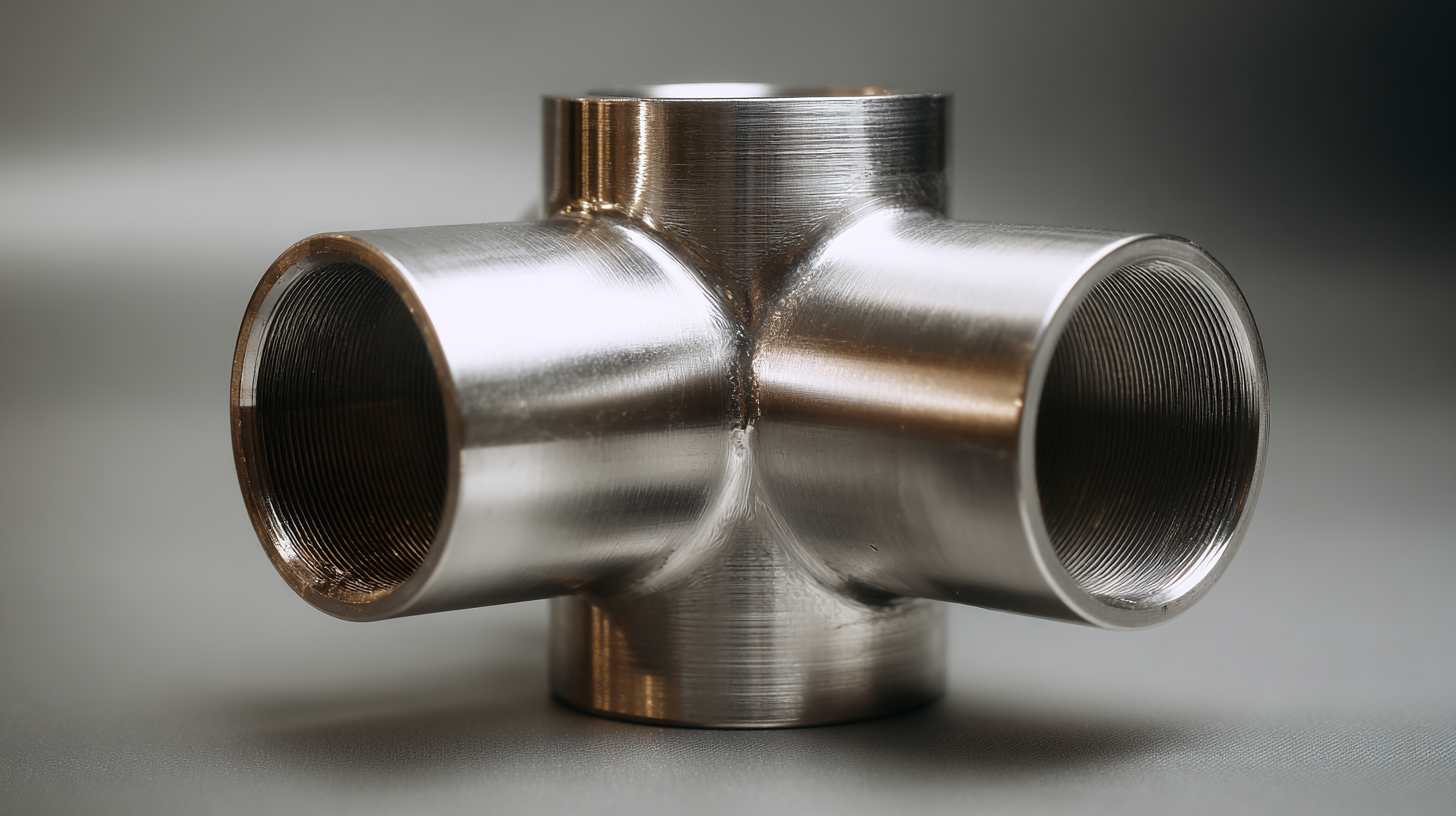 When you're looking at the cost of stainless steel reducing tees compared to other materials, it’s really important to think about both the upfront price and the overall value you get over time. Stainless steelis super durable and resistant to rust, but that usually means it costs more initially than options like PVC or Carbon Steel. Sure, PVC might save you some money at the start, but it’s not as tough—especially when you’re dealing with high-pressure stuff—and it can break down eventually, which means it could end up costing you more down the line for replacements.
Plus, don’t forget about the maintenance. Stainless steel tees tend to need less care because they’re so resilient and last longer. This can actually save you money in the long run, especially if you’re using them in industrial settings or somewhere where reliable performance really matters. On the flip side, materials like galvanized steel can rust pretty easily and might need frequent fixes or replacements, which adds up cost-wise.
All things considered, investing in stainless steel reducing tees generally pays off over time — especially if you need something reliable and durable that won’t let you down.
Basically, it’s all about weighing the initial investment against the long-term benefits — and in many cases, stainless steel might just be the smarter choice once you factor in durability and lower maintenance hassle.
FAQS
: Stainless steel reducing tees are essential components in pipe systems that facilitate the connection of different pipe diameters, commonly used in industries like oil and gas, water treatment, and food processing.
The most common grades used for stainless steel reducing tees are 304 and 316 stainless steel, each offering unique benefits depending on the application.
It's important to consider the material specifications, pressure ratings, and fitting sizes that align with your specific project requirements when selecting stainless steel reducing tees.
Regular cleaning with warm water and mild detergent is essential, along with periodic inspections for signs of wear or damage. Avoid using abrasive materials or harsh chemicals during cleaning.
Grade 316 stainless steel contains molybdenum, which provides enhanced corrosion resistance, making it suitable for chlorinated environments.
While stainless steel has a higher initial cost compared to materials like PVC or carbon steel, its durability and lower maintenance costs may lead to better long-term value.
Verifying compatibility helps prevent premature wear and potential failures in the system, ensuring safe and efficient operation.
Ensuring proper installation, regular cleaning, and periodic inspections can significantly extend the lifespan and performance of stainless steel reducing tees.
Environmental factors such as moisture, exposure to chemicals, and extreme temperatures can impact the performance and lifespan of stainless steel reducing tees.
It is advisable to source from reputable suppliers like Sichuan Baishuo Pipeline Co., Ltd., which specializes in high-quality pipe fittings and has industry recognition.
Conclusion
Stainless Steel Reducing Tees are pretty much essentials when it comes to plumbing and a bunch of industrial setups. They’re known for being tough and resisting corrosion, which is a big plus. If you're diving into these fittings, it helps a lot to understand the basics—like how they boost durability and reliability. Picking the right size and type isn’t just a shot in the dark, though; you need to think about things like flow needs and if space is limited. Oh, and don’t forget—regular maintenance can really help them last longer and keep things running smoothly. These fittings get used a lot across different industries, so they’re super versatile. At Sichuan Baishuo Pipeline Co., Ltd., we know our way around high-quality pipe accessories, which means we’re in a good spot to share tips and offer products that really meet what our customers are after in today’s market.